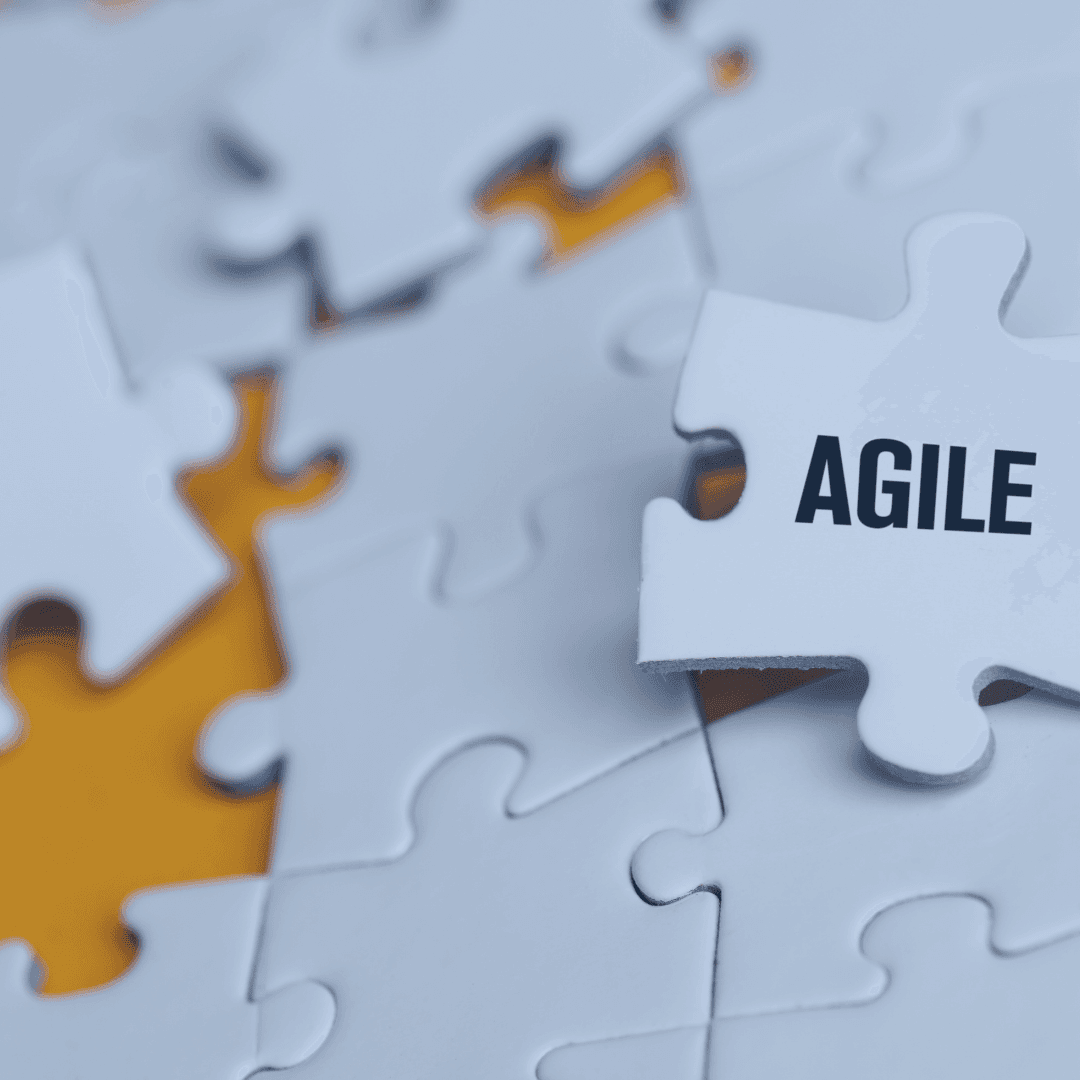
Agile Project Management Certification

Agile Project Management Certification

1 Weeks
Professional Level
Certificate Included
Course Content

Available Events

Available Events
CityDatePriceStatus
SingaporeSingapore
September 14, 2026
€5,100
Confirmed date
IstanbulTurkey
September 21, 2026
€4,400
Confirmed date
AmsterdamNetherlands
September 28, 2026
€4,900
Confirmed date
GenevaSwitzerland
September 29, 2026
€4,900
Confirmed date
ParisFrance
October 16, 2026
€4,900
Confirmed date
LondonUnited Kingdom
October 23, 2026
£4,800
Confirmed date
Kuala LumpurMalaysia
October 28, 2026
€4,800
Confirmed date
DubaiUnited Arab Emirates
October 29, 2026
€4,400
Confirmed date
TunisTunis
November 17, 2026
€4,400
Confirmed date

Course Information

Duration

1 Weeks

Category

CERTIFICATION COURSES

Level

Professional Level

Certificate

Included

INTRODUCTION

Modern organizations increasingly require project managers who can lead teams through uncertainty, changing priorities, and continuous stakeholder expectations. Traditional project management approaches remain valuable, but many projects now demand more adaptive methods that support frequent delivery and ongoing feedback. Agile project management provides a flexible framework for planning, executing, monitoring, and improving work through collaboration and incremental value creation. This course introduces participants to the mindset, tools, and practices required to manage Agile projects effectively. It explores how Agile principles can be translated into practical routines that improve communication, accountability, speed, and quality. Participants will examine the responsibilities of Agile leaders, product owners, Scrum Masters, delivery teams, and business stakeholders. The program also highlights how Agile project management certification knowledge can improve career credibility and organizational performance. Through practical examples, participants will understand how to prioritize work, plan iterations, manage risks, and measure team performance. This course is ideal for professionals who want to build a strong foundation in Agile delivery and apply it with confidence in real projects.

COURSE OBJECTIVES

Participants will achieve the following objectives by this course:

  • Understand Agile values, principles, frameworks, and their relevance to project delivery.
  • Apply Agile project management practices across business, technology, and transformation projects.
  • Distinguish between Agile, traditional, hybrid, Scrum, Kanban, and Lean delivery approaches.
  • Define Agile roles, responsibilities, ceremonies, artifacts, and governance expectations clearly.
  • Build, refine, prioritize, and manage product backlogs using business value criteria.
  • Plan releases, iterations, sprints, and delivery milestones using adaptive planning methods.
  • Facilitate Agile meetings that improve alignment, accountability, collaboration, and decision-making.
  • Use Agile metrics to monitor progress, identify risks, and improve delivery performance.
  • Manage stakeholder expectations through transparency, feedback loops, and incremental delivery.
  • Prepare for Agile project management certification concepts through structured applied learning.

TARGET AUDIENCE

This program targets a professional audience seeking to improve knowledge and skills:

  • Project managers responsible for adaptive, technology, business, or transformation initiatives.
  • Scrum Masters, Agile coaches, and team facilitators seeking structured professional development.
  • Product owners and business analysts managing requirements, priorities, and stakeholder expectations.
  • Team leaders supervising cross-functional project teams in dynamic delivery environments.
  • Professionals preparing for Agile project management certification or related credentials.
  • Executives and department managers sponsoring Agile transformation and delivery improvement.
  • IT, operations, finance, HR, and service professionals involved in project execution.
  • Consultants supporting organizational agility, process improvement, and project governance.

COURSE OUTLINE

Day 1: Agile Foundations and Project Management Mindset

  • Understand Agile values and principles in professional project environments.
  • Compare Agile, traditional, and hybrid project management approaches.
  • Explore the business case for Agile adoption.
  • Identify project uncertainty and adaptive delivery needs.
  • Understand customer value as a planning driver.
  • Review Agile terminology used in certification contexts.
  • Examine Agile leadership responsibilities and mindset shifts.
  • Discuss organizational conditions supporting Agile success.

Day 2: Agile Frameworks, Roles, and Team Structures

  • Explore Scrum, Kanban, Lean, and hybrid delivery frameworks.
  • Define Scrum Master, Product Owner, and team responsibilities.
  • Understand stakeholder roles in Agile project governance.
  • Build effective cross-functional and self-organizing teams.
  • Examine team agreements, working norms, and collaboration rules.
  • Understand servant leadership in Agile environments.
  • Review Agile communication flows and escalation paths.
  • Identify common role conflicts and resolution approaches.

Day 3: Backlog Management, Planning, and Estimation

  • Create product backlogs aligned with business objectives.
  • Write effective user stories and acceptance criteria.
  • Prioritize work using value, risk, urgency, and dependency.
  • Apply estimation techniques including story points and planning poker.
  • Plan releases, iterations, and sprint goals effectively.
  • Manage changing requirements without losing delivery focus.
  • Refine backlog items for team readiness.
  • Connect planning decisions to stakeholder expectations.

Day 4: Agile Execution, Monitoring, and Risk Control

  • Facilitate sprint planning, daily meetings, reviews, and retrospectives.
  • Track delivery progress using boards and workflow visualization.
  • Apply burndown, burnup, velocity, and cumulative flow metrics.
  • Manage impediments, blockers, dependencies, and delivery risks.
  • Improve quality through definition of done practices.
  • Use feedback loops to adjust plans and priorities.
  • Strengthen transparency through reporting and stakeholder updates.
  • Address team performance challenges constructively.

Day 5: Agile Governance, Scaling, and Certification Readiness

  • Understand Agile governance in professional organizations.
  • Align Agile projects with portfolios and strategic objectives.
  • Explore scaling considerations across multiple teams.
  • Manage compliance, documentation, and audit expectations.
  • Review Agile transformation challenges and adoption barriers.
  • Practice certification-style Agile project management scenarios.
  • Develop an action plan for workplace implementation.
  • Consolidate key concepts for exam and career readiness.

COURSE DURATION

Duration: 1 Weeks

The Agile Project Management Certification course is delivered over five intensive training days and can be offered in classroom, online, or blended learning formats depending on organizational requirements. The program combines instructor-led explanations, practical discussions, group exercises, case analysis, Agile simulations, certification-oriented concept reviews, and applied workplace examples. Each training day is designed to build progressively from Agile foundations to advanced project delivery practices, enabling participants to understand the full project lifecycle from vision and backlog development to execution, monitoring, governance, and continuous improvement. The recommended duration is five days, with flexible scheduling options available for corporate groups, executive cohorts, and professional development programs.

INSTRUCTOR INFORMATION

The training will be delivered by a team of experts specialized in Agile project management, Scrum practices, adaptive delivery, organizational transformation, and professional certification preparation. Instructors bring practical experience in leading Agile teams, managing complex projects, coaching business stakeholders, implementing Agile governance, and improving delivery performance across different industries. The instructional approach combines global best practices with practical examples, ensuring participants understand not only the theory of Agile project management but also how to apply it effectively in real organizational contexts.

FREQUENTLY ASKED QUESTIONS

Yes, it provides a structured foundation while also supporting experienced professionals seeking certification readiness.

CONCLUSION

The Agile Project Management Certification course provides a complete learning experience for professionals seeking to manage projects with greater flexibility and business alignment. It equips participants with practical skills for leading Agile teams, managing delivery flow, engaging stakeholders, and responding effectively to change. The program supports certification preparation while remaining highly relevant to real workplace project challenges. Organizations benefit from stronger collaboration, faster feedback, improved transparency, and better project outcomes. Participants leave with the confidence to apply Agile project management practices in dynamic professional environments.

Agile Project Management Certification

Register for Course