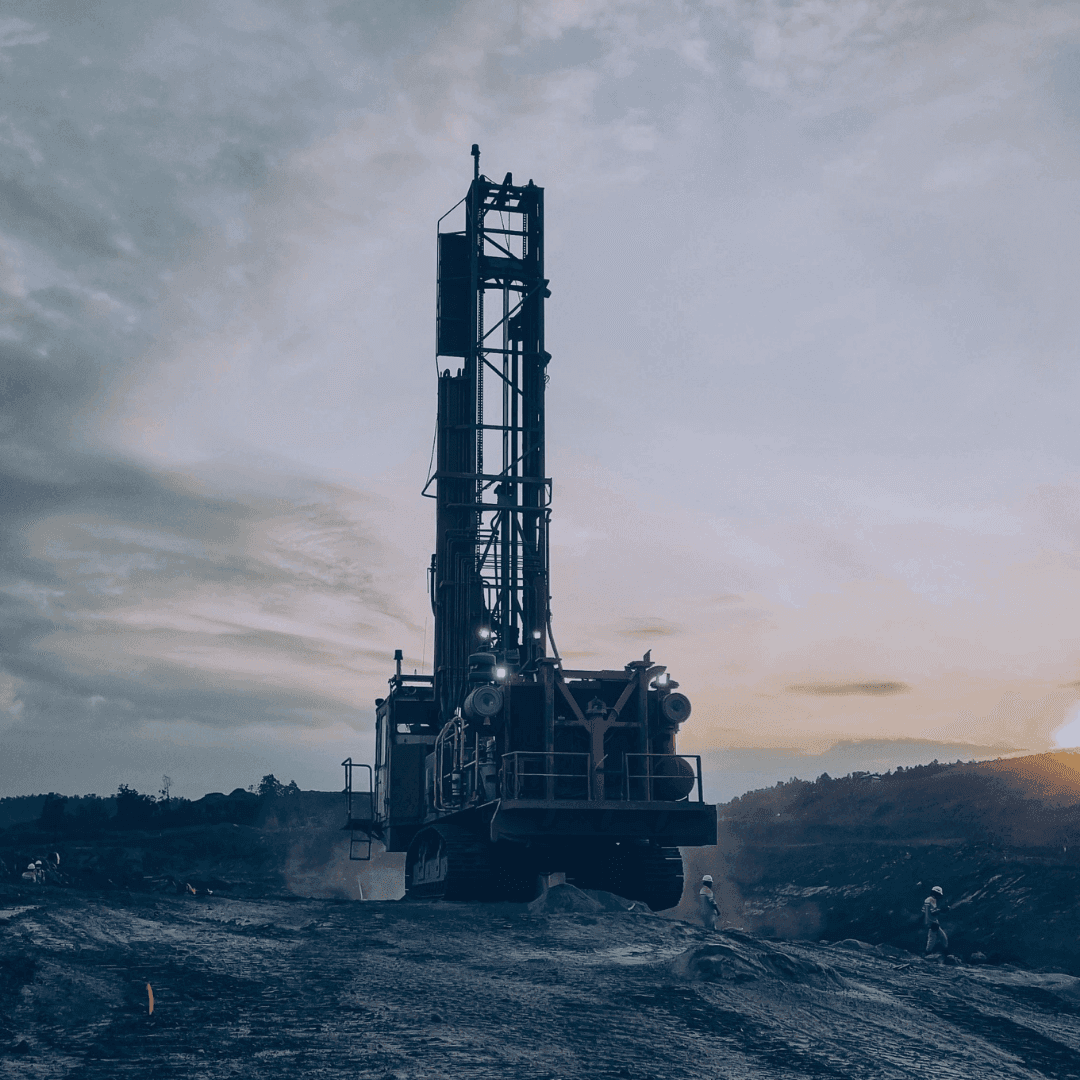
ASME B31.3 Process Piping Training

ASME B31.3 Process Piping Training

1 Weeks
Professional Level
Certificate Included
Course Content

Available Events

No dates are scheduled for this course yet.

Notify me when a date is available

Leave your details and we will email you as soon as a date is announced for this course.

Course Information

Duration

1 Weeks

Category

Oil & Gas

Level

Professional Level

Certificate

Included

INTRODUCTION

Process piping systems are critical components of industrial infrastructure, transporting fluids and gases under diverse pressure, temperature, and operational conditions. Effective piping engineering requires a thorough understanding of applicable design codes, material properties, fabrication practices, inspection procedures, and mechanical integrity principles. ASME B31.3 provides internationally recognized requirements for process piping systems used in petroleum refineries, chemical plants, pharmaceutical facilities, and other industrial processing environments. Engineering professionals must correctly interpret these requirements to minimize mechanical failures, prevent operational incidents, and maintain regulatory and contractual compliance. The ASME B31.3 Process Piping Training introduces the technical foundations of the code while exploring its practical application throughout piping system development and operation. Participants will study pressure design calculations, component selection, flexibility considerations, welding qualifications, examination requirements, and leak testing procedures. The course connects theoretical engineering principles with practical industrial challenges through structured technical exercises and real-world examples. It also highlights the importance of quality management, engineering verification, technical documentation, and coordination among design, construction, and inspection teams. By developing a systematic understanding of process piping engineering requirements, participants will become better equipped to support operational safety, asset reliability, and engineering excellence.

COURSE OBJECTIVES

Participants will achieve the following objectives by this course:

  • Interpret the structure, scope, terminology, and technical requirements of the ASME B31.3 Process Piping Code.
  • Identify applicable design conditions, pressure limitations, temperature considerations, and engineering responsibilities.
  • Apply code-based methods for calculating piping wall thickness and pressure design requirements.
  • Evaluate piping materials, allowable stresses, temperature limitations, and material selection criteria.
  • Assess piping flexibility, thermal expansion, sustained loads, and mechanical stress considerations.
  • Interpret requirements for piping components, fittings, flanges, valves, and pressure-containing connections.
  • Understand welding qualifications, fabrication requirements, heat treatment, and installation quality controls.
  • Apply appropriate inspection, examination, and testing requirements to process piping systems.
  • Identify common piping defects, failure mechanisms, and mechanical integrity risks.
  • Strengthen engineering documentation, compliance verification, and quality assurance practices throughout piping projects.

TARGET AUDIENCE

This program targets a professional audience seeking to improve knowledge and skills:

  • Mechanical engineers responsible for designing, evaluating, and maintaining industrial process piping systems and associated mechanical equipment.
  • Piping design engineers and specialists involved in engineering calculations, material specifications, component selection, and technical documentation.
  • Oil and gas professionals working in refineries, petrochemical plants, gas processing facilities, and industrial production operations.
  • Quality assurance and quality control engineers responsible for piping inspection, examination, testing, and code compliance verification.
  • Welding engineers, fabrication supervisors, and construction professionals overseeing piping installation, joining procedures, and workmanship standards.
  • Maintenance and reliability engineers managing piping integrity, operational risks, deterioration mechanisms, and asset lifecycle performance.
  • Project engineers, technical consultants, and engineering managers supervising industrial piping projects and multidisciplinary engineering activities.

COURSE OUTLINE

Day 1: ASME B31.3 Fundamentals and Process Piping Design Principles

  • Introduction to ASME B31.3 scope, structure, terminology, and engineering applications.
  • Understanding process piping classifications and applicable code boundaries.
  • Engineering responsibilities of owners, designers, manufacturers, fabricators, and inspectors.
  • Identifying design pressure, design temperature, and operating conditions.
  • Understanding fluid service categories and their engineering implications.
  • Reviewing code interpretations, referenced standards, and applicable project specifications.
  • Understanding design margins, pressure containment, and mechanical integrity principles.
  • Reviewing piping drawings, line lists, and piping and instrumentation diagrams.
  • Practical workshop on identifying applicable code requirements for industrial piping systems.

Day 2: Pressure Design, Piping Materials and Component Selection

  • Understanding pressure design requirements for straight pipe and piping components.
  • Calculating minimum pipe wall thickness under internal pressure.
  • Evaluating corrosion allowances, mechanical allowances, and manufacturing tolerances.
  • Understanding allowable stresses and material temperature limitations.
  • Reviewing material specifications and compatibility with process operating conditions.
  • Evaluating fittings, bends, branch connections, and reinforcement requirements.
  • Understanding flange ratings, gaskets, bolting, and pressure-temperature limitations.
  • Reviewing valve selection and applicable component standards.
  • Practical exercises on pipe thickness calculations and material selection.

Day 3: Piping Flexibility, Stress Analysis and Mechanical Design

  • Understanding sustained, occasional, and displacement stress considerations.
  • Evaluating thermal expansion and contraction in process piping systems.
  • Understanding flexibility analysis requirements and engineering assumptions.
  • Reviewing stress intensification factors and piping flexibility characteristics.
  • Assessing equipment nozzle loads and piping connection constraints.
  • Understanding pipe supports, anchors, guides, and expansion accommodation.
  • Evaluating vibration, pressure fluctuations, and dynamic loading considerations.
  • Reviewing stress analysis documentation and engineering acceptance criteria.
  • Practical case study on thermal expansion and piping support arrangements.

Day 4: Fabrication, Welding, Inspection and Quality Assurance

  • Understanding fabrication, assembly, and erection requirements under ASME B31.3.
  • Reviewing welding procedure specifications and procedure qualification requirements.
  • Understanding welder performance qualification and applicable referenced standards.
  • Evaluating welding defects, joint preparation, and workmanship requirements.
  • Reviewing heat treatment requirements and applicable material considerations.
  • Understanding visual examination and nondestructive examination methods.
  • Evaluating examination extent, acceptance criteria, and inspection responsibilities.
  • Reviewing material traceability, quality records, and inspection documentation.
  • Practical workshop on welding documentation and piping inspection findings.

Day 5: Pressure Testing, Compliance Verification and Piping Integrity

  • Understanding hydrostatic testing requirements and applicable test pressures.
  • Reviewing pneumatic testing conditions, precautions, and safety considerations.
  • Understanding alternative leak testing provisions and applicability.
  • Evaluating test preparation, isolation, instrumentation, and documentation.
  • Reviewing examination and testing requirements for different fluid services.
  • Identifying corrosion, fatigue, leakage, and common piping deterioration mechanisms.
  • Understanding engineering compliance reviews and construction quality verification.
  • Reviewing inspection records, test certificates, and final piping documentation.
  • Final practical assessment integrating design, fabrication, examination, and testing requirements.

COURSE DURATION

Duration: 1 Weeks

The ASME B31.3 Process Piping Training is delivered over five intensive training days, comprising approximately 30 hours of instructor-led technical learning, engineering discussions, practical calculations, and applied workshops. The program combines structured technical presentations with industrial case studies, piping design exercises, material evaluation activities, and inspection documentation reviews. Training can be delivered through classroom-based sessions, live virtual instruction, or customized in-house programs tailored to organizational requirements and participants' technical backgrounds. The course schedule may be adjusted to accommodate project-specific applications, operational requirements, and the experience levels of participating professionals.

INSTRUCTOR INFORMATION

The course is delivered by an internationally certified expert with extensive practical and consulting experience. The instructor possesses specialized knowledge of industrial piping engineering, pressure systems, mechanical design, fabrication requirements, inspection practices, and internationally recognized engineering codes and standards. Drawing on practical experience in oil and gas, petrochemical, and industrial engineering environments, the instructor provides technical explanations, engineering examples, and applied problem-solving exercises that connect code requirements with operational realities. The training approach emphasizes technical accuracy, practical application, participant engagement, and the development of engineering competencies relevant to professional responsibilities.

FREQUENTLY ASKED QUESTIONS

1. What is ASME B31.3 Process Piping Training? It is a specialized engineering course covering process piping design, materials, fabrication, examination, testing, and code compliance. 2. Who should attend this training program? The course is designed for piping engineers, mechanical engineers, inspectors, quality professionals, maintenance specialists, and industrial project personnel. 3. Does the course include practical engineering calculations? Yes, participants complete practical exercises involving pipe wall thickness, material selection, design conditions, and piping flexibility considerations. 4. Does the training cover welding inspection and pressure testing? Yes, the program examines welding qualifications, fabrication controls, nondestructive examination, hydrostatic testing, pneumatic testing, and documentation requirements. 5. Will participants receive a certificate after completing the course? Participants who successfully meet the training provider's completion requirements may receive a course completion certificate, which does not constitute official ASME certification.

CONCLUSION

The ASME B31.3 Process Piping Training provides engineering professionals with essential technical knowledge and practical skills for designing, evaluating, inspecting, and maintaining industrial process piping systems. Through comprehensive coverage of code requirements, pressure design, material selection, piping flexibility, fabrication, and testing, participants develop stronger capabilities to address complex engineering challenges. The program promotes consistent application of recognized engineering standards while supporting operational safety, mechanical integrity, and quality assurance. Practical exercises and industrial case studies strengthen participants' ability to translate technical requirements into reliable engineering decisions. By completing this training, professionals will be better prepared to contribute to safe, efficient, and compliant piping engineering projects across the oil and gas, petrochemical, and industrial sectors.

Course Availability

No Events Scheduled

No Events for This Course

Events Coming SoonMultiple LocationsFlexible Pricing

ASME B31.3 Process Piping Training

Register for Course