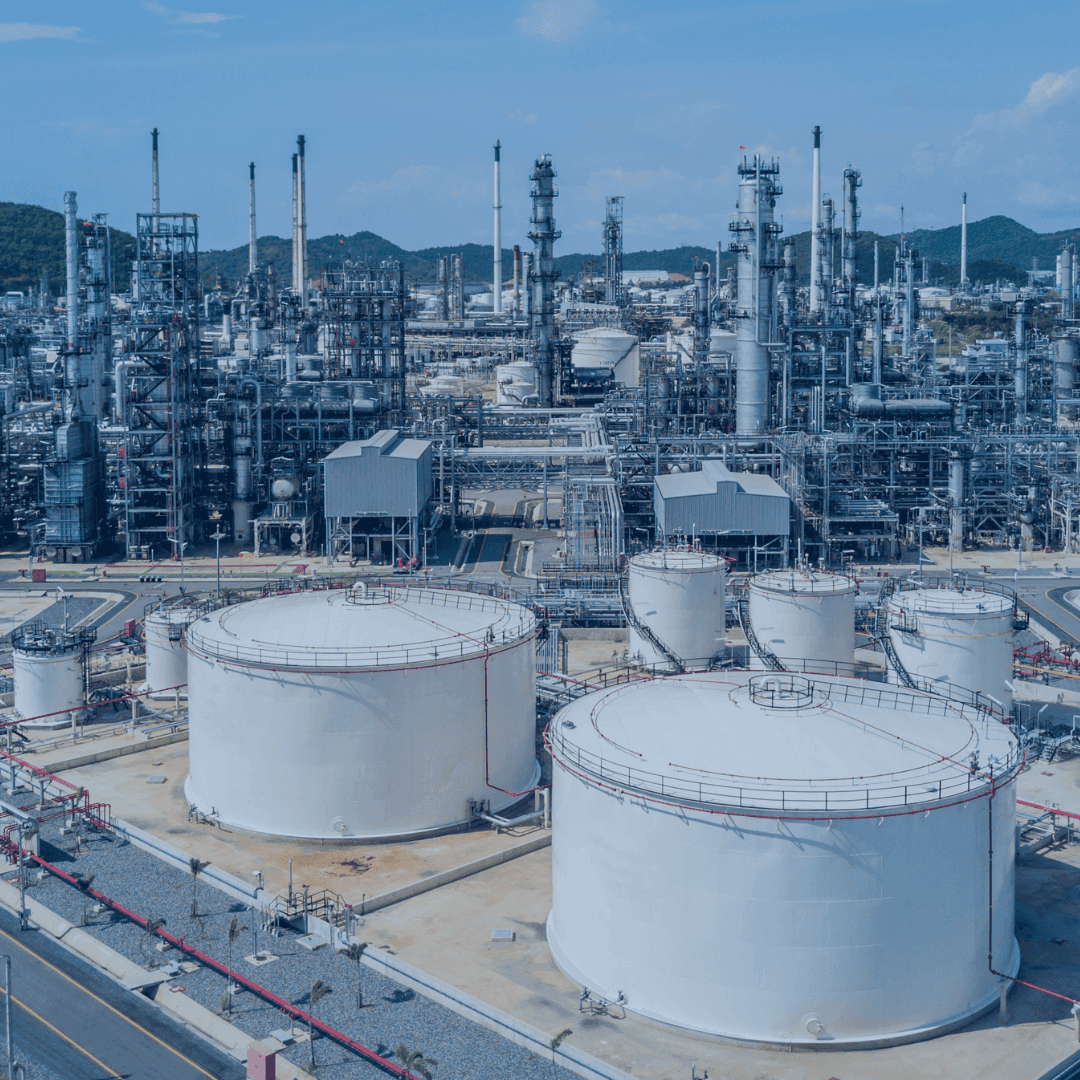
Digital Twin Applications in Oil And Gas
1 Weeks
Professional Level
Certificate Included
| City | Date | Price | Status |
|---|---|---|---|
AmsterdamNetherlands | October 9, 2026 | €4,900 | Confirmed date |
Kuala LumpurMalaysia | November 20, 2026 | €4,800 | Confirmed date |
OnlineOnline | December 31, 2026 | €2,400 | Confirmed date |
TunisTunis | February 11, 2027 | €4,400 | Confirmed date |
GenevaSwitzerland | March 25, 2027 | €4,900 | Confirmed date |
LisbonPortugal | May 6, 2027 | €4,800 | Confirmed date |
Duration
1 Weeks
Category
Oil & Gas
Level
Professional Level
Certificate
Included
Digital twin technology is rapidly transforming the oil and gas industry by enabling organizations to create virtual representations of physical assets, processes, and systems that evolve continuously through real-time data integration, advanced analytics, and predictive intelligence. This strategic capability empowers leadership teams to enhance operational visibility, optimize asset performance, reduce downtime, and improve decision-making accuracy across exploration, production, refining, and distribution operations. As organizations face increasing pressure to improve efficiency, safety, sustainability, and cost management, digital twins provide a practical pathway to achieve measurable performance improvements while minimizing operational risks. However, successful adoption requires alignment between technology, people, and processes, along with a clear understanding of data governance, integration challenges, cybersecurity considerations, and organizational readiness. This course provides executives and technical professionals with a structured understanding of how to design, implement, and scale digital twin initiatives that deliver tangible business value within defined timelines and performance expectations. Participants will explore real-world applications, implementation strategies, and leadership considerations that enable organizations to transition from reactive operations toward predictive and optimized performance environments while maintaining strategic control and operational excellence.
• Define digital twin concepts and their applications across oil and gas value chains
• Analyze operational data requirements for effective digital twin implementation
• Evaluate technologies enabling real-time asset monitoring and predictive analytics
• Design digital twin frameworks aligned with organizational performance goals
• Assess integration challenges between physical assets and digital platforms
• Develop strategies to improve asset reliability and operational efficiency
• Implement predictive maintenance and risk mitigation approaches using digital twins
• Measure performance improvements and return on investment from digital initiatives
This course is designed for asset managers, operations managers, maintenance engineers, digital transformation leaders, project managers, process engineers, reliability engineers, IT specialists, and senior decision-makers responsible for operational performance and technology strategy in the oil and gas sector.
• Improved asset reliability and operational performance
• Reduced downtime and maintenance costs through predictive insights
• Enhanced decision-making using real-time operational intelligence
• Increased safety through proactive risk identification
• Optimized resource utilization and production efficiency
• Stronger competitive advantage through digital innovation
• Advanced knowledge of digital twin technologies and applications
• Practical skills for implementing digital transformation initiatives
• Improved analytical and decision-making capabilities
• Enhanced career opportunities in digital operations leadership
• Understanding of predictive maintenance and optimization strategies
• Ability to align technology initiatives with business objectives
• Digital twin concepts and industry evolution
• Components of digital twin architecture
• Data acquisition, sensors, and connectivity frameworks
• Digital models for asset lifecycle management
• Integration with operational technologies and information systems
• Business value and performance metrics
• Industrial data sources and data quality management
• Real-time monitoring and visualization techniques
• Predictive analytics and machine learning fundamentals
• Asset performance modeling and simulation
• Cybersecurity considerations in digital environments
• Data governance and compliance strategies
• Implementation roadmap and organizational readiness
• System integration challenges and solutions
• Change management and stakeholder alignment
• Vendor selection and technology evaluation
• Risk management in digital transformation projects
• Cost-benefit analysis and investment justification
• Upstream asset monitoring and optimization
• Production system performance improvement
• Refining and processing optimization applications
• Pipeline and distribution network management
• Maintenance planning and predictive interventions
• Health, safety, and environmental performance enhancement
• Performance measurement and continuous improvement
• Artificial intelligence integration with digital twins
• Autonomous operations and remote monitoring
• Case studies and lessons learned
• Building long-term digital strategies
• Future industry trends and innovation opportunities
Duration: 1 Weeks
Duration: 5 days
Format: Classroom / Online / Blended
“The training will be delivered by a team of experts specialized in negotiation and professional relationships. They have extensive practical experience in managing complex negotiations, as well as a strong record in delivering leadership and management development programs.”
Digital twin technology represents a critical enabler for organizations seeking to achieve operational excellence, predictive performance, and sustainable competitive advantage in increasingly complex industrial environments. By combining advanced analytics, real-time data, and intelligent modeling, leaders can transform traditional asset management approaches into proactive, insight-driven strategies that improve efficiency, reduce risks, and enhance profitability. This course equips professionals with the strategic vision, technical understanding, and practical tools required to successfully implement and scale digital twin initiatives while aligning technological innovation with organizational objectives and long-term business performance.
Digital Twin Applications in Oil And Gas
Register for Course