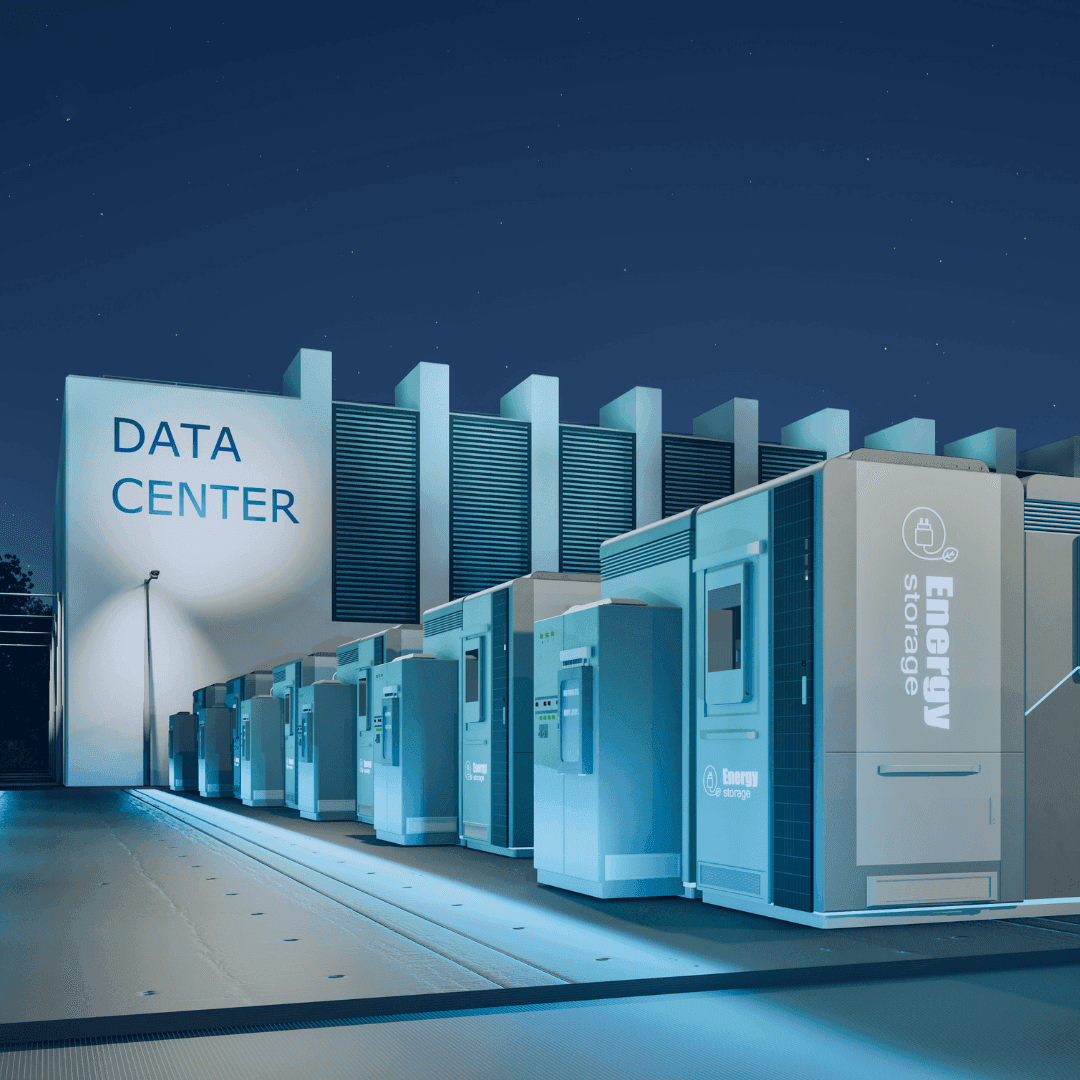
Energy Management Systems (EMS)
1 Weeks
Professional Level
Certificate Included
| City | Date | Price | Status |
|---|---|---|---|
TunisTunis | September 15, 2026 | €3,900 | Confirmed date |
LondonUnited Kingdom | September 16, 2026 | £4,600 | Confirmed date |
GenevaSwitzerland | September 19, 2026 | €4,600 | Confirmed date |
ParisFrance | October 29, 2026 | €4,600 | Confirmed date |
SingaporeSingapore | November 4, 2026 | €4,800 | Confirmed date |
LisbonPortugal | November 6, 2026 | €4,400 | Confirmed date |
Kuala LumpurMalaysia | November 13, 2026 | €4,400 | Confirmed date |
Duration
1 Weeks
Category
Electrical Engineering
Level
Professional Level
Certificate
Included
Energy Management Systems (EMS) have become a strategic cornerstone for organizations seeking to optimize operational performance, reduce energy costs, and achieve sustainable business growth in increasingly complex and competitive environments. Modern organizations operate within energy-intensive infrastructures where efficient monitoring, analysis, and control of energy consumption are essential for maintaining operational reliability and financial efficiency. An effective EMS integrates data analytics, monitoring technologies, automation tools, and structured decision-making processes to enable leaders and technical teams to identify inefficiencies, prioritize improvement initiatives, and implement measurable energy performance strategies. Organizations that adopt advanced energy management practices gain greater transparency over consumption patterns, operational risks, and resource allocation, allowing them to improve productivity while minimizing environmental impact. However, implementing and managing an EMS presents challenges including data integration, cross-department coordination, system scalability, and the need for skilled professionals capable of translating energy data into actionable operational improvements. This course provides a structured and practical understanding of Energy Management Systems, equipping participants with the technical insight, strategic awareness, and operational methodologies required to design, implement, monitor, and continuously improve energy management programs that support long-term organizational efficiency, resilience, and performance excellence.
This course is designed for professionals responsible for managing energy performance and operational efficiency across complex technical environments, including energy managers, electrical and mechanical engineers, facility managers, sustainability professionals, operations managers, maintenance supervisors, industrial process engineers, and technical consultants involved in energy optimization, infrastructure management, and operational performance improvement initiatives.
Improved visibility of organizational energy consumption patterns
Reduction of operational energy costs through optimized usage
Enhanced operational efficiency and resource management
Stronger compliance with internal sustainability initiatives
Data-driven decision making for infrastructure planning
Increased operational reliability and system performance
Comprehensive understanding of modern energy management practices
Practical skills for analyzing and optimizing energy consumption
Ability to design and implement structured energy management programs
Improved analytical capabilities for energy performance evaluation
Enhanced professional expertise in operational efficiency strategies
Increased career opportunities in energy and sustainability management
Duration: 1 Weeks
Duration: 5 days
Format: Classroom / Online / Blended
“The training will be delivered by a team of experts specialized in negotiation and professional relationships. They have extensive practical experience in managing complex negotiations, as well as a strong record in delivering leadership and management development programs.”
Energy Management Systems represent a critical capability for organizations aiming to strengthen operational efficiency, reduce energy costs, and support long-term sustainability objectives. By combining data-driven insights with structured management practices, organizations can transform energy usage from a passive operational expense into a strategic performance driver. This course equips professionals with the knowledge and practical tools required to design and implement effective energy management frameworks, enabling organizations to achieve measurable improvements in efficiency, operational resilience, and sustainable performance.
Energy Management Systems (EMS)
Register for Course