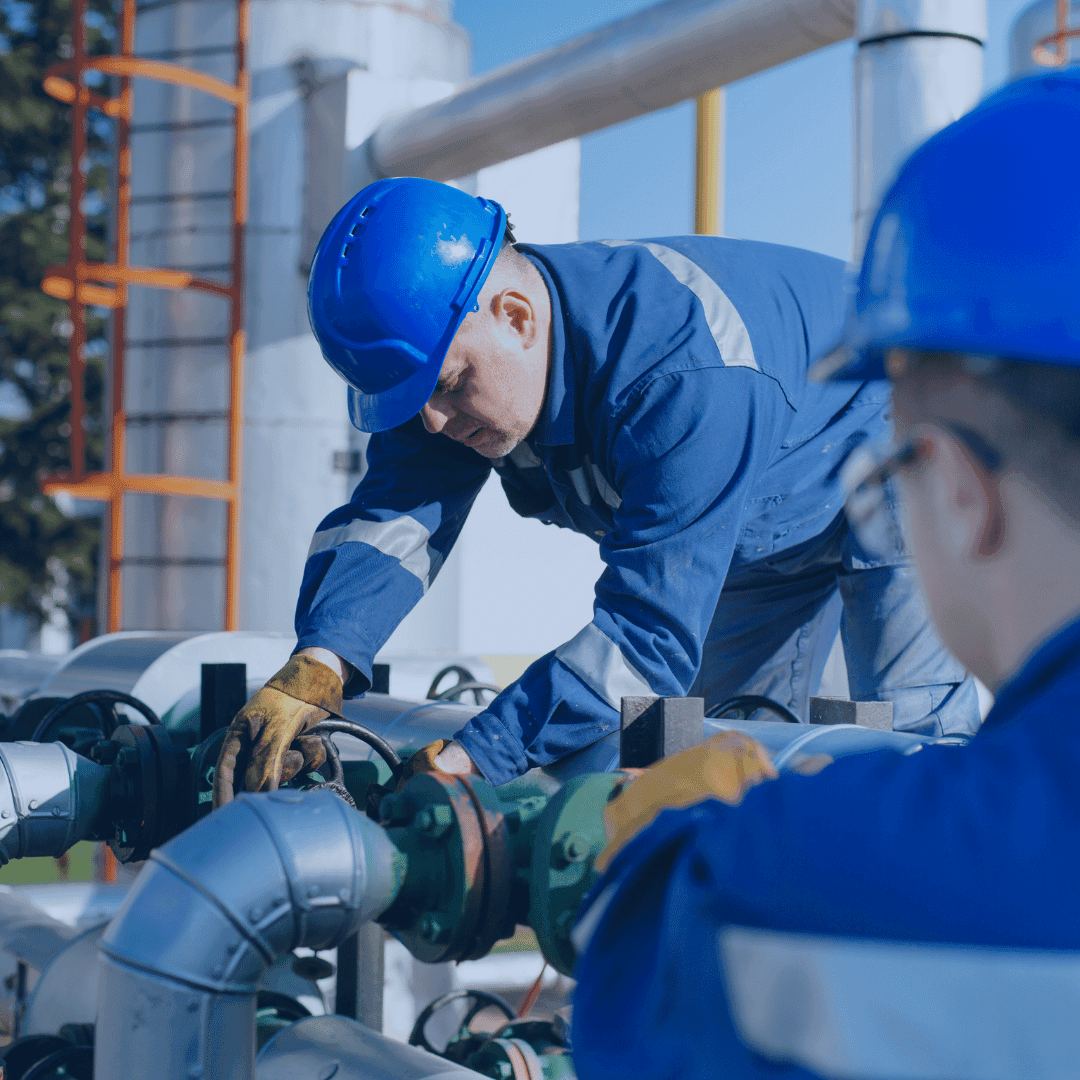
Loading Arm Operations, Safety and Maintenance Training Course

Loading Arm Operations, Safety and Maintenance Training Course

1 Weeks
Professional Level
Certificate Included
Course Content

Available Events

No dates are scheduled for this course yet.

Notify me when a date is available

Leave your details and we will email you as soon as a date is announced for this course.

Course Information

Duration

1 Weeks

Category

Oil & Gas

Level

Professional Level

Certificate

Included

EXECUTIVE SUMMARY

Loading Arm Training Course provides comprehensive technical and operational knowledge for professionals working with industrial fluid transfer systems. The program covers marine and land loading arms used in oil terminals, refineries, petrochemical facilities, storage terminals, and transfer stations. Participants develop a clear understanding of loading arm design, components, operating principles, movement, balancing, and control systems. The course addresses safe loading and unloading practices for petroleum products, chemicals, gases, and other industrial fluids. Particular attention is given to swivel joints, seals, couplings, hydraulic systems, emergency release systems, and associated safety devices. Participants learn systematic inspection, operational monitoring, preventive maintenance, and troubleshooting techniques for loading arm equipment. The program emphasizes safe connection, transfer, disconnection, isolation, depressurization, and emergency response procedures. Practical scenarios strengthen participants' ability to identify abnormal conditions and respond effectively to operational and mechanical problems. The course ultimately supports safer transfer operations, improved equipment reliability, reduced downtime, and stronger operational performance.

INTRODUCTION

Loading arms are critical systems for safely transferring liquids and gases between storage facilities, pipelines, tankers, vessels, and processing installations. Their operation requires coordinated knowledge of mechanical equipment, transfer procedures, safety controls, and equipment limitations. Incorrect operation or inadequate inspection can contribute to leakage, equipment damage, environmental incidents, product losses, and serious safety hazards. This course provides participants with structured knowledge covering loading arm operation, safety, inspection, maintenance, and troubleshooting. Participants explore loading arm configurations and understand how major components interact during connection, transfer, and disconnection activities. The program explains operating envelopes, balancing systems, swivel movements, transfer connections, and control arrangements. It also addresses equipment preparation, pre-transfer inspections, operational monitoring, emergency systems, and post-transfer activities. Practical troubleshooting concepts help participants recognize abnormal conditions and determine appropriate corrective actions. The training prepares professionals to support safe, efficient, and reliable loading arm operations across demanding oil and gas facilities.

COURSE OBJECTIVES

Participants will achieve the following objectives by this course:

  • Understand loading arm types, configurations, components, applications, and fundamental operating principles.
  • Explain marine and land loading arm movements, operating envelopes, and transfer limitations.
  • Apply safe procedures for loading arm connection, operation, monitoring, and disconnection.
  • Identify swivel joints, seals, couplings, balancing systems, and critical safety components.
  • Conduct systematic pre-operational inspections and identify abnormal equipment conditions effectively.
  • Monitor loading operations and recognize leakage, excessive movement, vibration, and mechanical problems.
  • Understand hydraulic, pneumatic, mechanical, and control systems supporting loading arm operations.
  • Apply safe isolation, depressurization, draining, and maintenance preparation procedures correctly.
  • Troubleshoot common loading arm operational, mechanical, hydraulic, and sealing system problems.
  • Improve loading arm safety, reliability, availability, and operational performance through effective practices.

TARGET AUDIENCE

This program targets a professional audience seeking to improve knowledge and skills:

  • Loading and unloading operators responsible for safe petroleum, chemical, gas, and industrial fluid transfer activities.
  • Terminal operators working with marine jetties, tank farms, storage terminals, and product transfer facilities.
  • Mechanical technicians supporting loading arm inspection, servicing, adjustment, troubleshooting, and routine maintenance activities.
  • Maintenance engineers responsible for loading systems, transfer equipment, mechanical integrity, reliability, and equipment performance.
  • Operations engineers supervising loading, unloading, transfer, isolation, and equipment preparation activities within industrial facilities.
  • Jetty personnel involved in vessel connection, transfer monitoring, disconnection, and emergency response operations.
  • Safety professionals responsible for transfer hazards, operational controls, emergency systems, and safe working practices.
  • Supervisors coordinating terminal operations, maintenance activities, inspections, and loading arm performance improvement programs.

COURSE OUTLINE

Day 1: Loading Arm Fundamentals, Types and Components

  • Introduction to industrial loading and unloading arm systems.
  • Marine and land loading arm configurations and applications.
  • Main loading arm components and their operational functions.
  • Inner arms, outer arms, swivel joints, and transfer piping.
  • Counterweights, balancing mechanisms, and structural support systems.
  • Loading arm operating envelopes, reach, and movement limitations.
  • Product properties influencing loading arm selection and operation.
  • Transfer applications across terminals, refineries, and petrochemical facilities.
  • Understanding equipment specifications and operating limitations.

Day 2: Loading Arm Operation and Transfer Procedures

  • Preparing loading arms before transfer operations commence.
  • Conducting systematic pre-operational inspections and equipment checks.
  • Positioning loading arms safely within approved operating envelopes.
  • Connecting loading arms to vessels, vehicles, and transfer points.
  • Verifying connections, valves, seals, and transfer system readiness.
  • Starting product transfer using controlled operating procedures.
  • Monitoring pressure, movement, leakage, and equipment condition.
  • Managing loading arm movement during changing transfer conditions.
  • Completing transfer, draining, disconnecting, and securing equipment safely.

Day 3: Safety Systems and Emergency Operations

  • Identifying loading arm hazards during connection and transfer operations.
  • Understanding pressure, product, movement, and stored energy hazards.
  • Applying isolation and depressurization procedures before intervention.
  • Understanding emergency release and disconnection system functions.
  • Inspecting emergency release couplings and associated safety devices.
  • Responding safely to leakage and abnormal operating conditions.
  • Managing emergency shutdown situations during transfer operations.
  • Applying communication requirements between terminal and transfer personnel.
  • Reviewing safe operating practices for high-risk transfer activities.

Day 4: Inspection, Maintenance and Troubleshooting

  • Performing routine loading arm visual and mechanical inspections.
  • Inspecting swivel joints for leakage, wear, friction, and deterioration.
  • Evaluating seals, gaskets, flanges, fasteners, and transfer connections.
  • Checking balancing systems, counterweights, supports, and mechanical alignment.
  • Applying lubrication requirements and contamination prevention practices.
  • Troubleshooting restricted movement, abnormal noise, vibration, and misalignment.
  • Diagnosing hydraulic, pneumatic, mechanical, and sealing system problems.
  • Identifying causes of recurring leakage and component deterioration.
  • Recording inspection findings and determining corrective maintenance priorities.

Day 5: Reliability, Performance and Operational Optimization

  • Developing effective preventive maintenance programs for loading arm systems.
  • Applying condition monitoring principles to critical loading arm components.
  • Using equipment history to identify recurring operational problems.
  • Managing critical spare parts, seals, swivels, and maintenance materials.
  • Establishing inspection records and equipment performance documentation.
  • Analyzing loading arm failures and identifying underlying causes.
  • Improving equipment availability through maintenance and operational coordination.
  • Developing practical actions for safer and more reliable transfer operations.
  • Reviewing integrated loading arm operation, safety, and maintenance practices.

COURSE DURATION

Duration: 1 Weeks

This Loading Arm Training Course is delivered over five intensive training days and combines technical instruction, operational scenarios, equipment analysis, safety discussions, inspection practices, troubleshooting exercises, and maintenance concepts to develop practical capabilities applicable to oil terminals, marine jetties, refineries, petrochemical facilities, tank farms, storage terminals, and industrial transfer operations.

INSTRUCTOR INFORMATION

The program is delivered by an internationally certified expert with extensive practical and consulting experience in oil and gas operations, terminal systems, loading equipment, mechanical maintenance, industrial safety, reliability, and asset integrity, providing participants with practical guidance, technical knowledge, operational scenarios, and field-oriented practices applicable to demanding loading and transfer environments.

FREQUENTLY ASKED QUESTIONS

1. What does the Loading Arm Training Course cover? It covers loading arm operation, components, safety systems, transfer procedures, inspection, maintenance, troubleshooting, and reliability.
2. Does the course cover both marine and land loading arms? Yes, the program addresses the principles, configurations, applications, and operational requirements of both systems.
3. Is this course suitable for loading terminal operators? Yes, it provides practical knowledge for operators, technicians, engineers, supervisors, and terminal personnel involved in transfer activities.
4. Does the training include emergency procedures? Yes, participants examine emergency release systems, shutdown situations, leakage response, isolation, depressurization, and safe intervention practices.
5. Does the course include maintenance and troubleshooting? Yes, the program covers inspection, preventive maintenance, swivel and seal assessment, fault diagnosis, and corrective maintenance principles.

CONCLUSION

Loading Arm Training Course provides professionals with an integrated understanding of loading arm operation, safety, inspection, maintenance, and troubleshooting. Participants develop practical capabilities for managing transfer equipment safely throughout connection, loading, monitoring, and disconnection activities. The program strengthens awareness of equipment limitations, safety systems, mechanical condition, and abnormal operating situations. Its practical focus supports improved equipment reliability, reduced operational risk, and more efficient loading and unloading operations. Participants complete the training better prepared to support safe and reliable transfer activities within modern oil and gas facilities.

Course Availability

No Events Scheduled

No Events for This Course

Events Coming SoonMultiple LocationsFlexible Pricing

Loading Arm Operations, Safety and Maintenance Training Course

Register for Course