Midstream & Downstream Processes

Midstream & Downstream Processes

1 Weeks
Professional Level
Certificate Included
Course Content

Available Events

Available Events
CityDatePriceStatus
LisbonPortugal
October 1, 2026
€4,800
Confirmed date
GenevaSwitzerland
October 2, 2026
€4,900
Confirmed date
DubaiUnited Arab Emirates
October 3, 2026
€4,400
Confirmed date
SingaporeSingapore
October 6, 2026
€5,100
Confirmed date
OnlineOnline
October 14, 2026
€2,400
Confirmed date
Kuala LumpurMalaysia
October 21, 2026
€4,800
Confirmed date
ParisFrance
October 27, 2026
€4,900
Confirmed date

Course Information

Duration

1 Weeks

Category

Oil & Gas

Level

Professional Level

Certificate

Included

INTRODUCTION

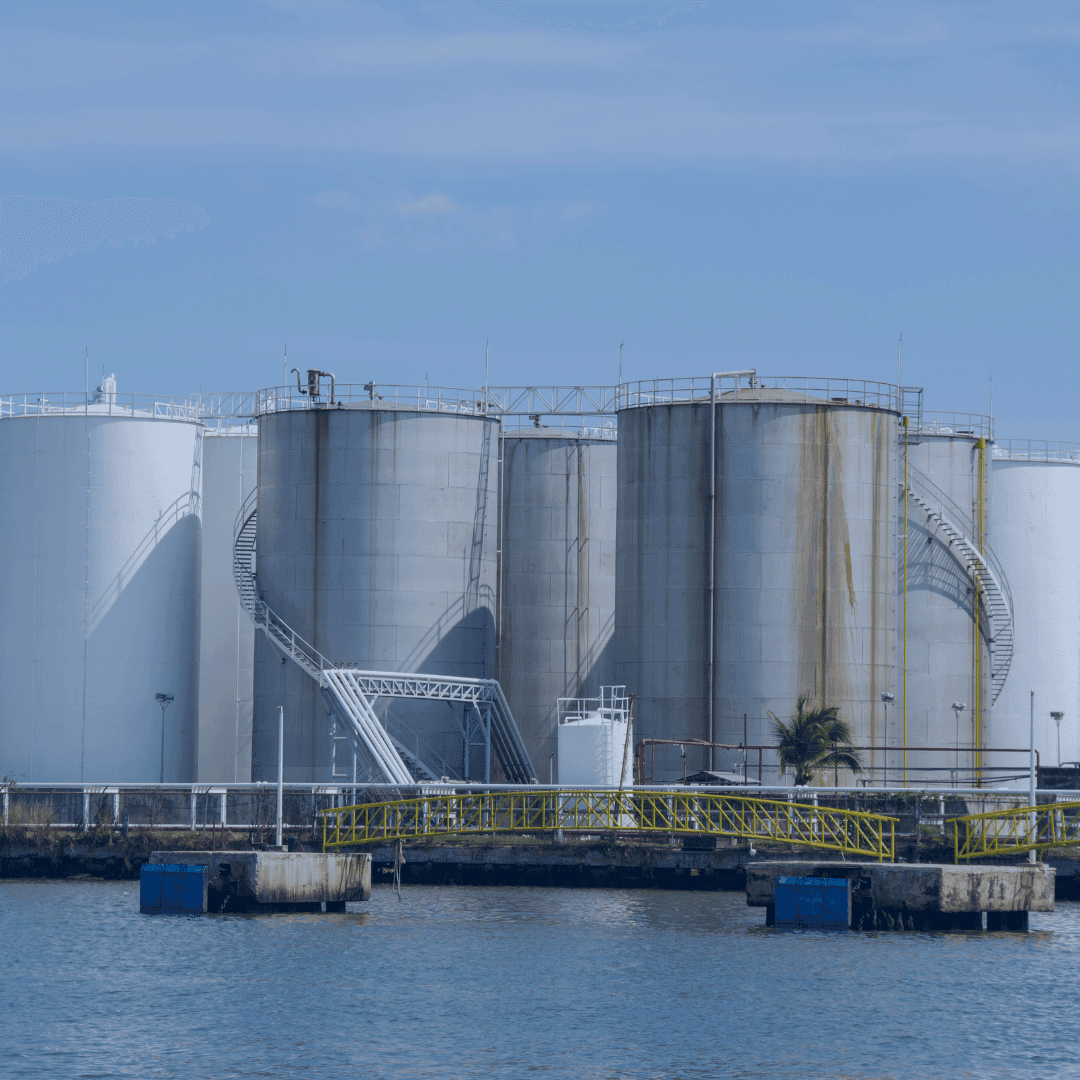
The oil and gas value chain does not end when hydrocarbons are extracted from reservoirs, because their economic value depends heavily on transportation, processing, refining, storage, and delivery to end users. Midstream operations connect upstream production with downstream markets through critical infrastructure such as pipelines, compression stations, terminals, storage tanks, marine facilities, and gas processing plants. Downstream operations transform crude oil, natural gas liquids, and intermediate streams into marketable fuels, lubricants, petrochemical feedstocks, and specialty products. Understanding these processes is essential for professionals who need to manage assets, improve efficiency, reduce operational risk, and support strategic energy decisions. This course explains the technical and commercial logic behind midstream and downstream processes in a practical and accessible manner. It covers how product specifications, quality control, logistics planning, refining complexity, and market demand shape operational choices. Participants will also explore how safety, environmental regulations, emissions control, and sustainability expectations influence daily decisions across the sector. The training is aligned with international industry practices and supports professionals working in both national and international energy environments. It gives participants the confidence to communicate effectively with engineers, operators, planners, commercial teams, regulators, and senior decision-makers.

COURSE OBJECTIVES

Participants will achieve the following objectives by this course:

  • Understand the structure and role of midstream and downstream processes within the oil and gas value chain.
  • Analyze key transportation systems including pipelines, terminals, marine loading, rail, and trucking operations.
  • Explain the fundamentals of crude oil refining, gas processing, fractionation, blending, and product distribution.
  • Evaluate storage strategies, inventory control, tank farm operations, and terminal management practices.
  • Identify operational risks related to safety, reliability, corrosion, product quality, and environmental compliance.
  • Interpret how refining configurations influence product yields, margins, and downstream profitability.
  • Assess supply chain integration between production facilities, processing assets, refineries, and market outlets.
  • Apply practical decision-making tools for improving efficiency, asset utilization, and process reliability.
  • Recognize the impact of digital technologies, automation, monitoring systems, and data analytics on operations.
  • Strengthen professional communication across technical, commercial, operational, and strategic energy functions.

TARGET AUDIENCE

This program targets a professional audience seeking to improve knowledge and skills:

  • Oil and gas professionals involved in operations, logistics, planning, refining, distribution, and supply chain management.
  • Engineers, supervisors, and technical staff working with pipelines, terminals, storage facilities, refineries, and processing plants.
  • Commercial, trading, procurement, and contracts professionals seeking stronger operational understanding of energy flows.
  • Managers and decision-makers responsible for asset performance, reliability, safety, cost control, and market delivery.
  • Government, regulatory, and energy sector professionals involved in petroleum infrastructure, compliance, and policy oversight.
  • New professionals entering the oil and gas industry who need a structured foundation in midstream and downstream activities.

COURSE OUTLINE

Day 1: Midstream and Downstream Value Chain Fundamentals

  • Overview of the integrated oil and gas value chain.
  • Differences between upstream, midstream, and downstream activities.
  • Role of midstream infrastructure in market connectivity.
  • Role of downstream operations in product value creation.
  • Crude oil, natural gas, and natural gas liquids overview.
  • Key stakeholders across transportation, refining, and distribution.
  • Main commercial drivers in midstream and downstream operations.
  • Operational interfaces between production, processing, and markets.

Day 2: Transportation, Storage, and Terminal Operations

  • Pipeline systems, flow assurance, and capacity planning.
  • Compression, pumping, metering, and custody transfer principles.
  • Tank farms, storage design, and inventory management.
  • Marine terminals, loading arms, berths, and export facilities.
  • Rail and trucking logistics for petroleum product movement.
  • Product segregation, contamination prevention, and quality control.
  • Terminal safety, emergency response, and operational procedures.
  • Scheduling, dispatching, and logistics coordination practices.

Day 3: Gas Processing and Natural Gas Liquids Operations

  • Gas gathering systems and inlet separation fundamentals.
  • Dehydration, sweetening, and contaminant removal processes.
  • Natural gas liquids recovery and fractionation principles.
  • Propane, butane, ethane, and condensate value chains.
  • Liquefied natural gas processing and export considerations.
  • Gas quality specifications and market delivery requirements.
  • Processing plant reliability, maintenance, and operational monitoring.
  • Safety and environmental controls in gas processing facilities.

Day 4: Refining Processes and Product Manufacturing

  • Crude oil characteristics and refinery feedstock selection.
  • Atmospheric and vacuum distillation process fundamentals.
  • Conversion units including cracking, reforming, and coking.
  • Treating, desulfurization, blending, and product upgrading.
  • Gasoline, diesel, jet fuel, and fuel oil specifications.
  • Refinery configuration, complexity, yields, and margin optimization.
  • Utilities, energy efficiency, and emissions management in refineries.
  • Process safety, shutdown planning, and operational reliability.

Day 5: Distribution, Commercial Integration, and Future Trends

  • Petroleum product distribution networks and retail supply systems.
  • Demand forecasting, market planning, and supply optimization.
  • Pricing, margins, trading interfaces, and commercial performance.
  • Regulatory compliance, environmental standards, and product certification.
  • Digital monitoring, automation, and predictive maintenance applications.
  • Decarbonization trends affecting refining and logistics operations.
  • Risk management across integrated midstream and downstream assets.
  • Final case study on value chain optimization and decision-making.

COURSE DURATION

Duration: 1 Weeks

The recommended duration for this course is five training days, delivered through classroom training, virtual learning, or blended delivery depending on organizational needs and participant availability, with each day combining instructor-led explanations, practical examples, technical discussions, case-based learning, and applied exercises designed to strengthen understanding of midstream and downstream processes, oil and gas logistics, refining operations, terminal management, product distribution, safety performance, and commercial value chain integration.

INSTRUCTOR INFORMATION

The training will be delivered by a team of experts specialized in oil and gas operations, midstream infrastructure, downstream refining, petroleum logistics, terminal management, process safety, and energy value chain optimization, with practical experience in supporting organizations to improve operational efficiency, asset reliability, regulatory compliance, supply chain performance, and strategic decision-making across complex energy environments.

FREQUENTLY ASKED QUESTIONS

This course is suitable for professionals working in oil and gas operations, logistics, refining, trading, engineering, planning, and energy management.

CONCLUSION

Midstream & Downstream Processes Training Course provides a practical and strategic understanding of the systems that connect energy production with final market demand. The course helps participants understand how transportation, storage, processing, refining, and distribution decisions influence reliability, profitability, safety, and customer delivery. It strengthens the ability to evaluate operational performance across pipelines, terminals, gas plants, refineries, and product supply networks. Participants leave with a clearer view of how technical and commercial decisions interact across the oil and gas value chain. This program is an essential foundation for professionals seeking to contribute effectively to modern energy operations and integrated petroleum business performance.

Midstream & Downstream Processes

Register for Course