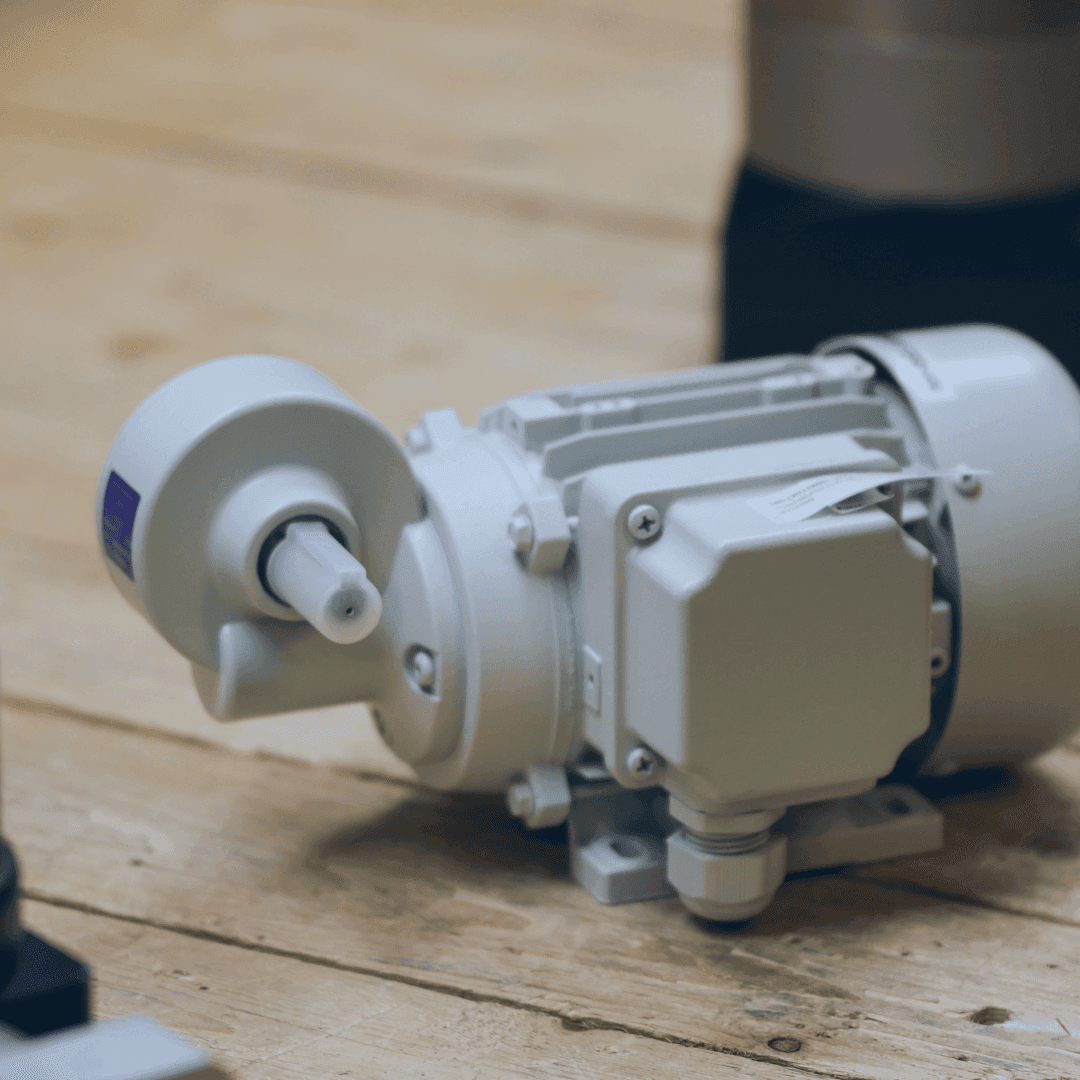
Motor And Generator Maintenance
1 Weeks
Professional Level
Certificate Included
| City | Date | Price | Status |
|---|---|---|---|
OnlineOnline | September 18, 2026 | €2,400 | Confirmed date |
SingaporeSingapore | September 23, 2026 | €5,100 | Confirmed date |
DubaiUnited Arab Emirates | September 29, 2026 | €4,400 | Confirmed date |
AmsterdamNetherlands | October 9, 2026 | €4,900 | Confirmed date |
IstanbulTurkey | October 14, 2026 | €4,400 | Confirmed date |
TunisTunis | November 8, 2026 | €4,400 | Confirmed date |
LisbonPortugal | November 9, 2026 | €4,800 | Confirmed date |
LondonUnited Kingdom | November 10, 2026 | £4,800 | Confirmed date |
Duration
1 Weeks
Category
Electrical Engineering
Level
Professional Level
Certificate
Included
Electric motors and generators represent the backbone of industrial energy conversion and mechanical operation across modern production environments, making their reliability and performance a critical factor in operational continuity, safety, and cost efficiency. As organizations increasingly depend on electrically driven processes, the ability to implement structured maintenance strategies for rotating electrical machines becomes a strategic capability that supports productivity, asset longevity, and operational resilience. Motor and generator maintenance is no longer limited to routine inspection or repair; it now requires a systematic approach that integrates preventive planning, diagnostic technologies, reliability engineering, and risk-based decision making to minimize downtime and optimize equipment lifecycle performance. Leaders and technical teams must address challenges such as insulation degradation, mechanical wear, vibration issues, thermal stresses, and unexpected electrical faults while maintaining operational efficiency and safety standards. By developing measurable maintenance objectives, improving fault detection capabilities, and strengthening maintenance planning processes, organizations can transform maintenance activities into value-driven operational strategies. This course equips professionals with practical technical knowledge, structured maintenance methodologies, and strategic insights necessary to manage motors and generators effectively, ensuring measurable improvements in reliability, efficiency, and long-term equipment performance.
• Develop comprehensive maintenance strategies for motors and generators to improve reliability and operational performance
• Identify common electrical and mechanical faults affecting rotating electrical machines
• Analyze vibration, thermal, and electrical performance indicators for early fault detection
• Apply preventive and predictive maintenance techniques to reduce unexpected failures
• Evaluate insulation health, winding integrity, and mechanical condition of machines
• Implement structured inspection and testing procedures for motors and generators
• Optimize maintenance planning to extend equipment lifecycle and reduce downtime
• Interpret diagnostic data to support effective maintenance decision-making
• Improve maintenance documentation and reporting processes
This course is designed for professionals involved in electrical equipment operation, maintenance, and reliability management, including:
• Electrical engineers
• Maintenance engineers and technicians
• Reliability and asset management professionals
• Power system and rotating equipment specialists
• Plant maintenance supervisors and managers
• Operations and technical support engineers
• Improve reliability and availability of critical rotating equipment
• Reduce operational downtime and maintenance costs
• Enhance equipment lifecycle management and asset utilization
• Strengthen maintenance planning and fault detection capabilities
• Improve operational safety and equipment performance stability
• Support continuous improvement in maintenance strategies
• Strengthen practical knowledge of motor and generator maintenance
• Improve diagnostic and troubleshooting skills for rotating machines
• Develop structured maintenance planning capabilities
• Gain practical insight into equipment reliability improvement
• Enhance professional competence in electrical maintenance operations
• Increase confidence in managing complex equipment maintenance tasks
• Principles of rotating electrical machines
• Types of industrial motors and generators
• Key components and operating mechanisms
• Electrical and mechanical operating characteristics
• Common operational stresses and failure mechanisms
• Overview of maintenance strategies for rotating equipment
• Common motor and generator failures
• Electrical faults and insulation deterioration
• Mechanical wear and bearing failures
• Thermal stress and overheating issues
• Vibration analysis fundamentals
• Root cause analysis for equipment failures
• Preventive inspection procedures for motors and generators
• Electrical testing techniques and insulation testing
• Vibration monitoring and condition assessment
• Thermal monitoring and performance evaluation
• Alignment and balancing practices
• Diagnostic data interpretation and reporting
• Preventive maintenance planning and scheduling
• Predictive maintenance techniques for rotating equipment
• Lubrication management and bearing maintenance
• Maintenance documentation and work management
• Reliability improvement techniques
• Maintenance risk management and decision support
• Maintenance strategy development for rotating machines
• Lifecycle management of motors and generators
• Maintenance performance indicators and benchmarking
• Continuous improvement in maintenance processes
• Integrating diagnostics into maintenance planning
• Developing effective maintenance action plans
Duration: 1 Weeks
Duration: 5 days
Format: Classroom / Online / Blended
“The training will be delivered by a team of experts specialized in negotiation and professional relationships. They have extensive practical experience in managing complex negotiations, as well as a strong record in delivering leadership and management development programs.”
Effective maintenance of motors and generators plays a critical role in ensuring operational stability, energy efficiency, and equipment longevity in modern industrial environments. By combining technical diagnostics, preventive maintenance strategies, and structured maintenance planning, organizations can significantly reduce unexpected failures and enhance the reliability of rotating electrical machines. This program equips professionals with the knowledge and practical tools necessary to identify potential faults early, optimize maintenance operations, and support long-term asset performance. Participants will leave the course with a strategic understanding of how proactive maintenance practices contribute to operational excellence, improved productivity, and sustainable equipment management.
Motor And Generator Maintenance
Register for Course