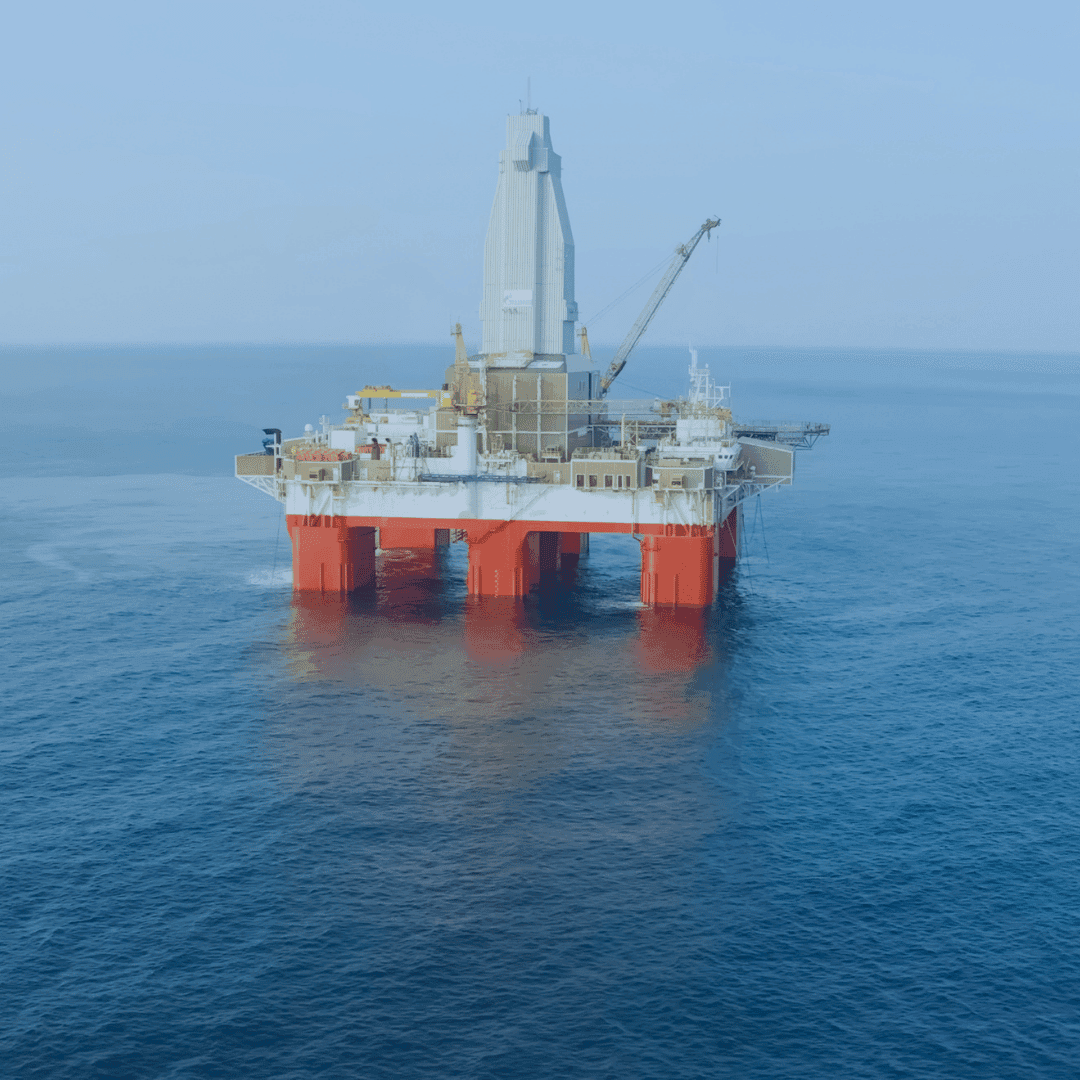
Offshore Oil & Gas Operations

Offshore Oil & Gas Operations

1 Weeks
Professional Level
Certificate Included
Course Content

Available Events

The date from your link is highlighted below. Choose Register when you are ready.

Available Events
CityDatePriceStatus
SingaporeSingapore
September 20, 2026
€5,100
Confirmed date
DubaiUnited Arab Emirates
October 12, 2026
€4,400
Confirmed date
ParisFrance
October 27, 2026
€4,900
Confirmed date
OnlineOnline
October 31, 2026
€2,400
Confirmed date
AmsterdamNetherlands
November 2, 2026
€4,900
Confirmed date
TunisTunis
November 8, 2026
€4,400
Confirmed date
Kuala LumpurMalaysia
November 12, 2026
€4,800
Confirmed date

Course Information

Duration

1 Weeks

Category

Oil & Gas

Level

Professional Level

Certificate

Included

INTRODUCTION

Offshore oil and gas operations represent one of the most technically demanding and strategically important areas of the energy industry. These operations involve complex activities conducted in marine environments where safety, reliability, logistics, engineering, and environmental protection must be managed with precision. Unlike onshore operations, offshore assets require specialized infrastructure, including fixed platforms, floating production units, subsea systems, marine vessels, drilling rigs, pipelines, and integrated control systems. Successful offshore operations depend on disciplined planning, strong technical knowledge, effective coordination, and a deep understanding of operational risk. Professionals working in this field must be able to interpret offshore processes, manage interfaces, respond to emergencies, support production continuity, and contribute to safe operational decision-making. This course introduces participants to the complete offshore operations lifecycle, from field development and drilling support to production, maintenance, marine logistics, and decommissioning considerations. It also examines the role of health, safety, environmental management, asset integrity, and regulatory compliance in protecting people, facilities, and the marine environment. The program is designed to bridge technical understanding with practical operational leadership for professionals involved in offshore oil and gas activities. By completing this course, participants will be better equipped to support efficient, safe, and compliant offshore operations in a competitive energy landscape.

COURSE OBJECTIVES

Participants will achieve the following objectives by this course:

  • Understand the structure, lifecycle, and strategic importance of offshore oil and gas operations.
  • Identify key offshore facilities, production systems, subsea assets, and marine support infrastructure.
  • Analyze offshore drilling, completion, production, processing, and export operations.
  • Apply operational risk management principles to offshore safety-critical activities.
  • Strengthen understanding of offshore health, safety, environmental, and regulatory requirements.
  • Evaluate asset integrity, inspection, maintenance, and reliability practices for offshore facilities.
  • Improve coordination between offshore teams, vessels, contractors, and onshore support centers.
  • Understand emergency preparedness, incident response, evacuation, and crisis management offshore.
  • Assess operational performance indicators, production optimization methods, and cost control priorities.
  • Develop practical decision-making skills for safe and efficient offshore oil and gas operations.

TARGET AUDIENCE

This program targets a professional audience seeking to improve knowledge and skills:

  • Offshore operations supervisors, engineers, coordinators, and technical professionals.
  • Oil and gas managers responsible for offshore production, maintenance, or logistics.
  • Drilling, completion, production, process, and facilities engineering personnel.
  • Health, safety, environment, and quality professionals supporting offshore assets.
  • Marine logistics, supply chain, and vessel coordination teams.
  • Asset integrity, reliability, inspection, and maintenance planning specialists.
  • Project managers involved in offshore development, operations, or brownfield upgrades.
  • Contractors, consultants, and service providers working with offshore operators.
  • Government, regulatory, and compliance professionals overseeing offshore energy activities.
  • Professionals transitioning into offshore oil and gas roles requiring structured operational knowledge.

COURSE OUTLINE

Day 1: Offshore Industry Structure and Operational Foundations

  • Overview of offshore oil and gas industry value chains.
  • Differences between offshore and onshore operating environments.
  • Fixed platforms, floating units, and subsea infrastructure.
  • Offshore field development concepts and asset lifecycle stages.
  • Roles of operators, contractors, regulators, and service providers.
  • Offshore organization structures and operational responsibilities.
  • Key offshore terminology, systems, and technical interfaces.
  • Operational excellence principles in offshore energy environments.

Day 2: Offshore Drilling, Wells, and Subsea Operations

  • Offshore drilling rigs, jack-ups, semisubmersibles, and drillships.
  • Well planning, drilling execution, and completion fundamentals.
  • Blowout prevention, well control, and critical safety barriers.
  • Subsea wells, manifolds, risers, umbilicals, and flowlines.
  • Intervention, workover, and well integrity management.
  • Offshore drilling logistics, materials, and personnel coordination.
  • Interface management between drilling and production teams.
  • Risk controls for well operations and marine activities.

Day 3: Offshore Production, Processing, and Export Systems

  • Offshore production systems and topside processing facilities.
  • Separation, compression, dehydration, treatment, and utilities.
  • Produced water handling and environmental discharge management.
  • Offshore pipeline, tanker, and export terminal operations.
  • Production monitoring, optimization, and operational troubleshooting.
  • Control rooms, automation, alarms, and process safety systems.
  • Shutdown systems, isolation practices, and permit controls.
  • Production performance indicators and operating cost awareness.

Day 4: Safety, Environment, Asset Integrity, and Maintenance

  • Offshore health, safety, and environmental management systems.
  • Major accident hazards and safety-critical element management.
  • Permit to work, confined space, lifting, and hot work controls.
  • Asset integrity management for structures, equipment, and pipelines.
  • Inspection planning, corrosion control, and reliability improvement.
  • Preventive, predictive, and corrective maintenance strategies.
  • Emergency response, evacuation, rescue, and crisis coordination.
  • Regulatory compliance and international offshore safety standards.

Day 5: Marine Logistics, Leadership, Performance, and Future Trends

  • Offshore marine logistics, vessel scheduling, and supply bases.
  • Helicopter operations, crew changes, and personnel movement.
  • Contractor management and cross-functional offshore communication.
  • Leadership, decision-making, and human factors offshore.
  • Operational performance dashboards and continuous improvement methods.
  • Digital technologies, remote operations, and offshore automation.
  • Decommissioning, sustainability, and environmental responsibility.
  • Final case study on integrated offshore operations management.

COURSE DURATION

Duration: 1 Weeks

The recommended duration for this Offshore Oil & Gas Operations Training Course is five days, with each day structured around technical instruction, applied discussion, practical examples, operational case studies, and professional knowledge review. The course can be delivered in classroom, online, or blended formats depending on organizational requirements, participant availability, and learning objectives. Each session is designed to support progressive learning, beginning with offshore industry foundations and advancing toward drilling, production, safety, asset integrity, logistics, leadership, and future operational trends. The program may also be customized for specific offshore assets, regional regulatory environments, company procedures, workforce levels, or strategic operational priorities.

INSTRUCTOR INFORMATION

The training will be delivered by a team of experts specialized in offshore oil and gas operations, production management, marine logistics, asset integrity, safety management, and energy industry performance improvement. The instructors combine technical expertise with practical field experience across offshore platforms, subsea systems, drilling operations, production facilities, contractor interfaces, emergency response planning, and operational excellence programs. Their delivery approach focuses on clear explanations, relevant industry examples, applied learning, and practical decision-making frameworks that help participants connect offshore concepts with real operational responsibilities. The instructor team is experienced in supporting engineers, supervisors, managers, technical specialists, and cross-functional teams working in demanding offshore oil and gas environments.

FREQUENTLY ASKED QUESTIONS

This course is designed for professionals involved in offshore oil and gas operations, production, drilling, maintenance, safety, logistics, and asset management.

CONCLUSION

Offshore Oil & Gas Operations Training Course provides a comprehensive learning experience for professionals seeking to strengthen their capability in one of the most complex areas of the energy sector. The course connects technical knowledge with practical operational understanding across drilling, production, subsea systems, marine logistics, safety, maintenance, and asset integrity. Participants will leave with improved confidence in analyzing offshore processes, managing interfaces, supporting safe operations, and contributing to performance improvement. Organizations will benefit from better-informed personnel who understand offshore risks, operational priorities, and international best practices. This program is a valuable investment for building safer, more reliable, and more efficient offshore oil and gas operations.

Offshore Oil & Gas Operations

Register for Course