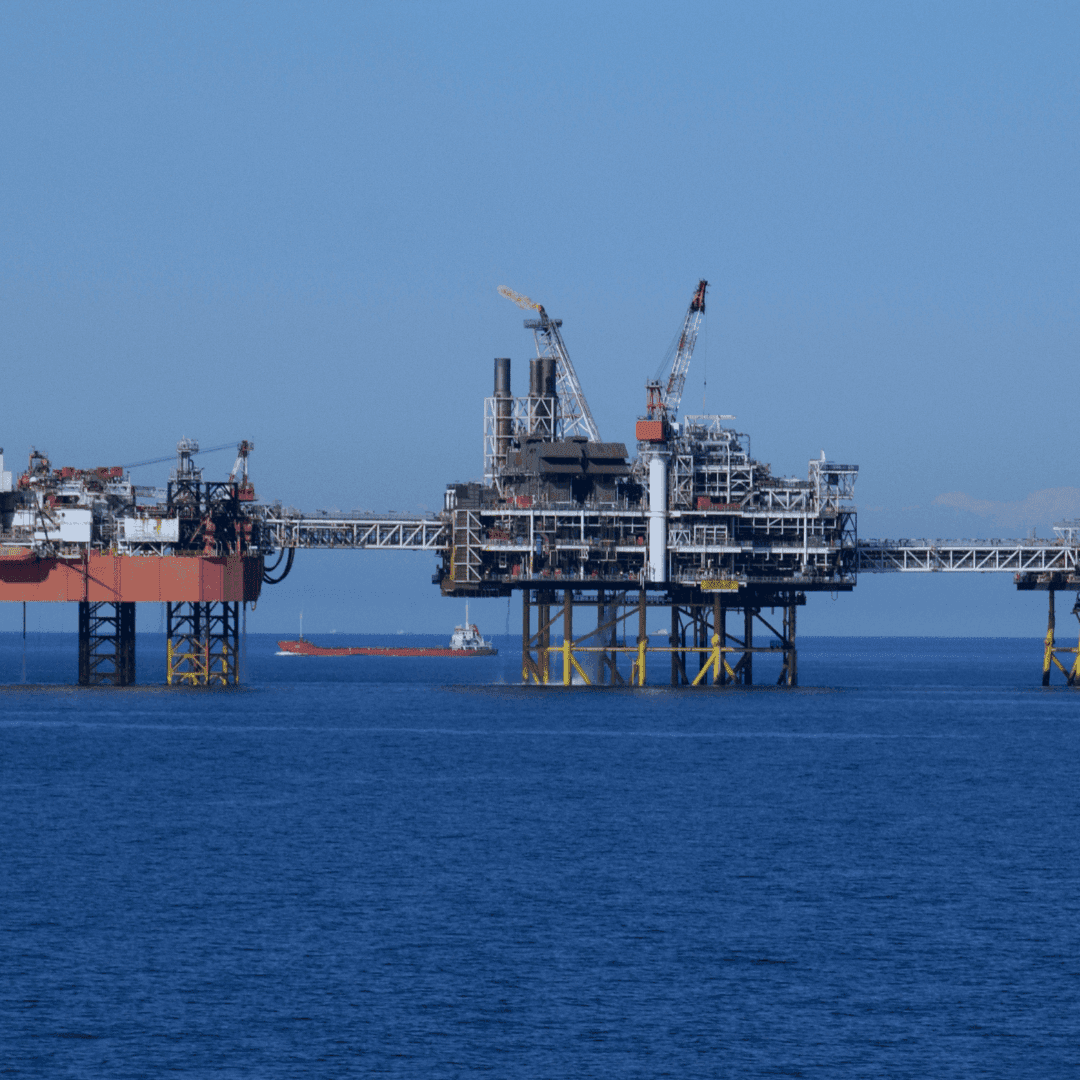
Offshore Platforms Engineering Fundamentals
1 Weeks
Professional Level
Certificate Included
| City | Date | Price | Status |
|---|---|---|---|
AmsterdamNetherlands | October 9, 2026 | €4,900 | Confirmed date |
Kuala LumpurMalaysia | November 20, 2026 | €4,800 | Confirmed date |
OnlineOnline | December 31, 2026 | €2,400 | Confirmed date |
TunisTunis | February 11, 2027 | €4,400 | Confirmed date |
GenevaSwitzerland | March 25, 2027 | €4,900 | Confirmed date |
LisbonPortugal | May 6, 2027 | €4,800 | Confirmed date |
Duration
1 Weeks
Category
Oil & Gas
Level
Professional Level
Certificate
Included
Offshore platforms engineering is a core capability for energy organizations seeking resilient production, safe operations, and disciplined asset stewardship across harsh marine environments. This course provides an executive-level foundation in how offshore platforms are conceived, designed, fabricated, installed, operated, inspected, and maintained to deliver reliable performance across the full asset life cycle, while controlling safety, integrity, cost, schedule, and regulatory risk. Participants will connect platform fundamentals to business-critical outcomes such as uptime, life extension, incident prevention, and predictable maintenance planning, with clear links to decision-making, governance, and cross-functional leadership. The program addresses the realities that challenge offshore assets—uncertain metocean conditions, corrosion and fatigue, structural degradation, complex interfaces, logistics constraints, and high-consequence risk—and translates them into practical engineering and management actions that can be applied immediately in projects and operations. By the end, learners will be able to set clear performance targets, interpret engineering data confidently, prioritize interventions, and communicate effectively with technical and non-technical stakeholders to drive measurable integrity and production results.
Engineering and technical professionals involved in offshore assets and projects, including structural and mechanical engineers, integrity and inspection engineers, offshore operations and maintenance leaders, asset and reliability engineers, project engineers and managers, HSE and risk professionals, construction and installation teams, procurement and contract personnel supporting offshore scopes, and technical decision-makers responsible for performance, integrity, and cost control.
Improve offshore asset integrity governance and decision quality across the platform life cycle.
Reduce unplanned downtime through stronger integrity planning, monitoring, and intervention prioritization.
Lower high-consequence risk exposure by strengthening hazard awareness and engineering control selection.
Increase project predictability by improving interface management across design, fabrication, and installation.
Enhance cross-functional alignment between engineering, operations, and HSE on platform performance targets.
Support cost efficiency through risk-based maintenance and disciplined life-extension planning.
Build a confident technical foundation to participate effectively in offshore platform projects and operations.
Improve ability to interpret platform integrity signals and escalate issues with clear engineering rationale.
Gain practical insight into platform life-cycle workflows, responsibilities, and critical decision gates.
Strengthen risk awareness and prioritization skills for offshore hazards and integrity threats.
Enhance communication skills for technical reporting and stakeholder engagement in complex environments.
Develop a structured approach to linking engineering actions to measurable business outcomes.
Duration: 1 Weeks
Duration: 5 days
Format: Classroom / Online / Blended
“The training will be delivered by a team of experts specialized in negotiation and professional relationships. They have extensive practical experience in managing complex negotiations, as well as a strong record in delivering leadership and management development programs.”
By building a disciplined understanding of offshore platform engineering fundamentals, organizations strengthen the quality of technical decisions that protect people, production, and capital. This course equips participants to translate complex offshore realities into clear priorities—defining performance targets, interpreting engineering evidence, ranking risks, and selecting proportionate interventions that sustain integrity and reliability. The outcome is a stronger leadership capability across engineering and operations: improved assurance, fewer surprises, better alignment across interfaces, and a more predictable path from design intent to safe, efficient offshore performance.
Offshore Platforms Engineering Fundamentals
Register for Course