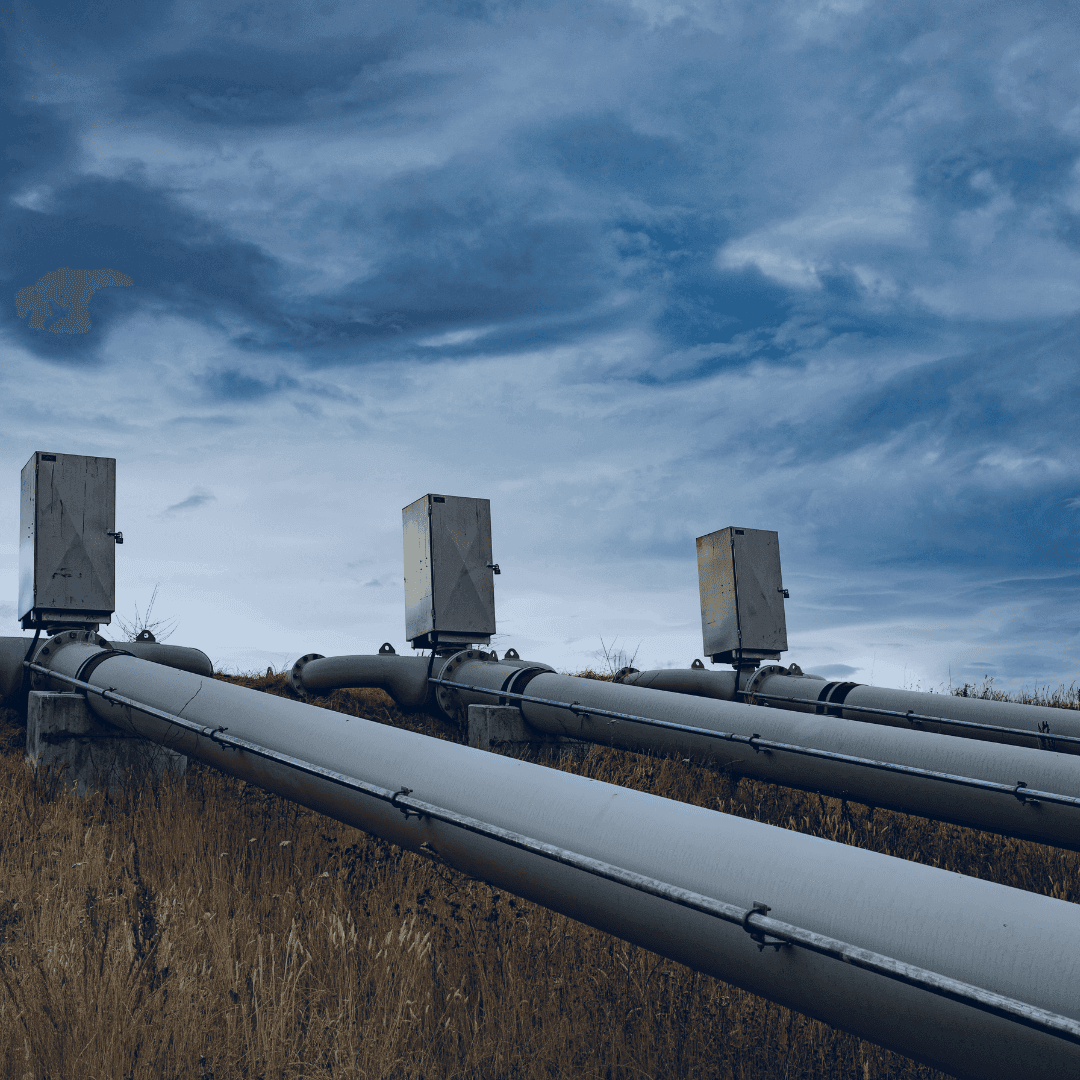
Pipeline Integrity Management Systems
1 Weeks
Professional Level
Certificate Included
| City | Date | Price | Status |
|---|---|---|---|
OnlineOnline | September 14, 2026 | €2,400 | Confirmed date |
IstanbulTurkey | September 22, 2026 | €4,400 | Confirmed date |
TunisTunis | September 27, 2026 | €4,400 | Confirmed date |
AmsterdamNetherlands | October 3, 2026 | €4,900 | Confirmed date |
Kuala LumpurMalaysia | October 5, 2026 | €4,800 | Confirmed date |
GenevaSwitzerland | October 14, 2026 | €4,900 | Confirmed date |
LondonUnited Kingdom | October 15, 2026 | £4,800 | Confirmed date |
SingaporeSingapore | October 16, 2026 | €5,100 | Confirmed date |
LisbonPortugal | October 27, 2026 | €4,800 | Confirmed date |
ParisFrance | October 29, 2026 | €4,900 | Confirmed date |
Duration
1 Weeks
Category
Oil & Gas
Level
Professional Level
Certificate
Included
Pipeline Integrity Management Systems represent a strategic discipline that integrates engineering, risk management, operational control, and regulatory compliance to ensure the safe, reliable, and cost-effective transportation of resources through pipeline networks. In modern organizations, leadership teams are increasingly required to balance operational efficiency with safety, environmental stewardship, and asset longevity, making integrity management a critical organizational priority rather than a purely technical function. Effective systems enable decision-makers to identify threats, assess risks, prioritize maintenance investments, and implement preventive strategies aligned with measurable performance objectives and long-term business value. Organizations face challenges including aging infrastructure, corrosion mechanisms, third-party interference, data fragmentation, and evolving regulatory expectations, yet these challenges also create opportunities to leverage digital monitoring, predictive analytics, and integrated management frameworks to enhance performance. This course provides a structured and results-oriented approach to developing, implementing, and optimizing pipeline integrity programs, equipping professionals with practical methodologies, performance metrics, and leadership insights necessary to strengthen asset reliability, reduce operational uncertainty, and support sustainable organizational growth while maintaining accountability and measurable outcomes.
• Analyze pipeline integrity threats and failure mechanisms using structured risk-based methodologies
• Evaluate inspection data to support integrity decision-making and maintenance prioritization
• Develop integrity management frameworks aligned with organizational performance goals
• Implement preventive and corrective strategies to reduce operational and safety risks
• Assess corrosion control systems and monitoring technologies for effectiveness
• Design performance indicators to measure integrity program success
• Integrate integrity management into organizational governance and leadership processes
• Apply incident investigation findings to improve system reliability and resilience
This program is designed for pipeline engineers, maintenance engineers, asset integrity professionals, operations managers, safety specialists, inspection engineers, project managers, technical supervisors, and professionals responsible for infrastructure reliability and risk management within industrial environments.
• Improved asset reliability and operational continuity
• Reduced risk of failures and unplanned downtime
• Enhanced regulatory and compliance alignment
• Optimized maintenance planning and cost efficiency
• Strengthened safety and environmental protection performance
• Better strategic decision-making based on data insights
• Enhanced technical and analytical competency in integrity management
• Improved ability to interpret inspection and monitoring data
• Stronger risk assessment and decision-making skills
• Increased professional confidence in managing pipeline assets
• Practical knowledge applicable to real operational environments
• Career advancement through specialized expertise development
• Pipeline systems overview and lifecycle considerations
• Integrity threats identification and classification
• Risk management principles for pipeline systems
• Failure mechanisms and degradation processes
• Regulatory expectations and compliance frameworks
• Introduction to integrity management programs
• Inspection methodologies and tools selection
• In-line inspection technologies and applications
• Non-destructive testing techniques
• Data acquisition, validation, and quality control
• Monitoring systems and condition assessment
• Inspection planning and scheduling strategies
• Corrosion mechanisms and influencing factors
• Cathodic protection systems and effectiveness evaluation
• Coating systems and material selection
• Internal corrosion monitoring techniques
• Chemical treatment strategies
• Corrosion risk assessment and mitigation planning
• Quantitative and qualitative risk assessment methods
• Integrity assessment models and prioritization
• Fitness-for-service evaluation principles
• Maintenance and repair decision frameworks
• Incident analysis and lessons learned
• Integrity performance metrics and reporting
• Developing integrity management systems
• Integration with organizational management systems
• Digital technologies and predictive analytics
• Performance improvement and continuous optimization
• Emergency response and contingency planning
• Leadership strategies for integrity culture development
Duration: 1 Weeks
Duration: 5 days
Format: Classroom / Online / Blended
“The training will be delivered by a team of experts specialized in negotiation and professional relationships. They have extensive practical experience in managing complex negotiations, as well as a strong record in delivering leadership and management development programs.”
Pipeline integrity management is not only a technical requirement but a strategic organizational capability that directly influences operational reliability, safety performance, and long-term asset value. By adopting structured methodologies, measurable performance indicators, and integrated leadership approaches, organizations can transform integrity management from a reactive maintenance function into a proactive value-driven system. This program empowers professionals with the expertise, tools, and confidence needed to implement robust integrity frameworks, mitigate risks effectively, and support sustainable operational excellence in increasingly complex industrial environments.
Pipeline Integrity Management Systems
Register for Course