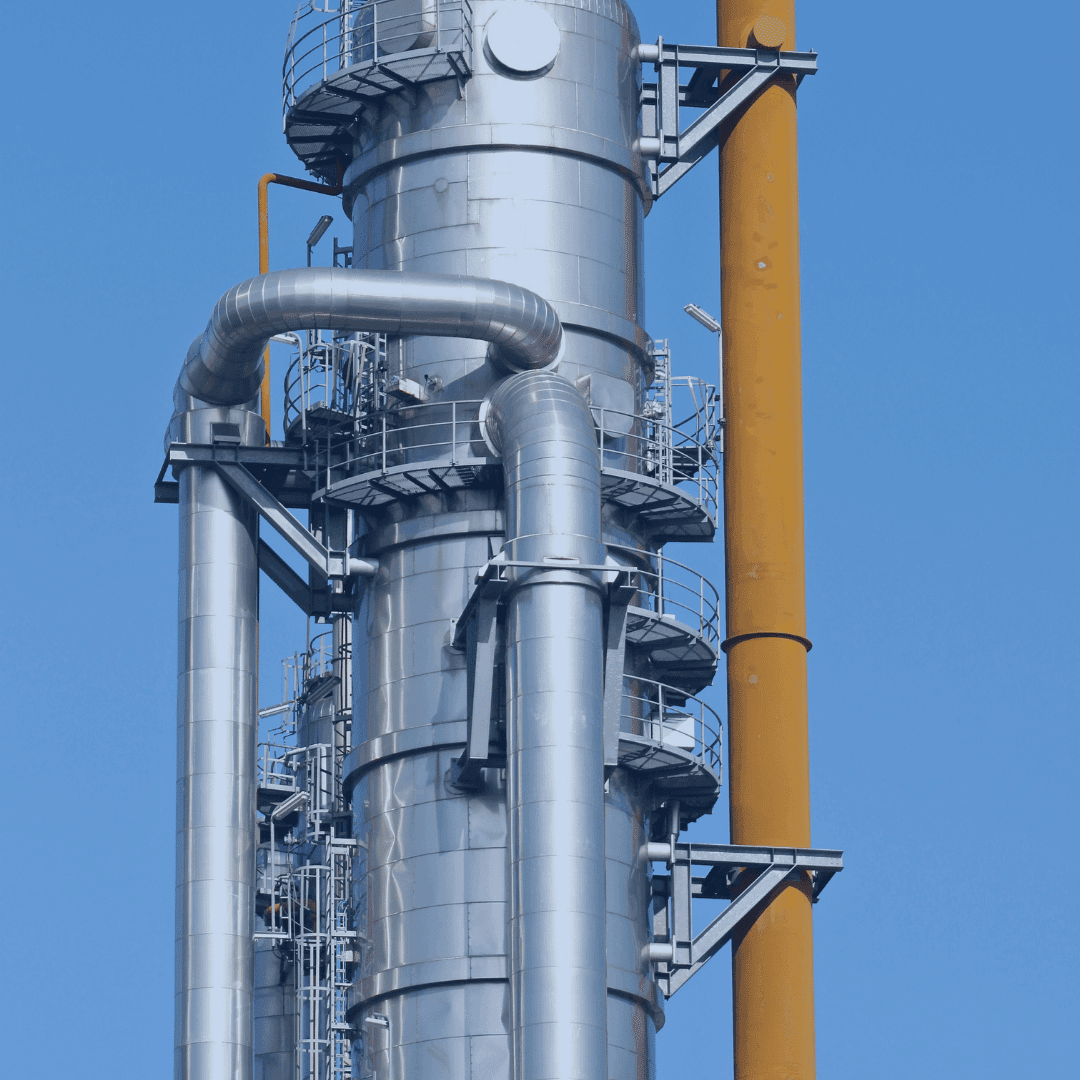
Pipeline Pigging Operations

Pipeline Pigging Operations

1 Weeks
Professional Level
Certificate Included
Course Content

Available Events

Available Events
CityDatePriceStatus
ParisFrance
October 25, 2026
€4,900
Confirmed date
AmsterdamNetherlands
October 27, 2026
€4,900
Confirmed date
SingaporeSingapore
November 11, 2026
€5,100
Confirmed date
LisbonPortugal
November 14, 2026
€4,800
Confirmed date
TunisTunis
November 15, 2026
€4,400
Confirmed date
IstanbulTurkey
November 23, 2026
€4,400
Confirmed date
GenevaSwitzerland
December 1, 2026
€4,900
Confirmed date
OnlineOnline
December 7, 2026
€2,400
Confirmed date
DubaiUnited Arab Emirates
December 8, 2026
€4,400
Confirmed date
Kuala LumpurMalaysia
December 29, 2026
€4,800
Confirmed date
LondonUnited Kingdom
January 2, 2027
£4,800
Confirmed date

Course Information

Duration

1 Weeks

Category

Oil & Gas

Level

Professional Level

Certificate

Included

INTRODUCTION

Pipeline pigging is an essential activity for maintaining flow efficiency, controlling deposits, supporting inspection, and protecting pipeline integrity. Effective pigging programs require detailed understanding of pipeline conditions, fluid properties, tool capabilities, operating limits, and safety requirements. Poorly planned operations can result in stuck pigs, equipment damage, production disruption, pressure excursions, or environmental incidents. This course provides a structured examination of pipeline pigging principles, technologies, procedures, risks, and performance improvement methods. Participants study pig selection, launcher and receiver systems, operational preparation, tracking, cleaning, inspection, and post-run evaluation. The program emphasizes practical planning, safe execution, troubleshooting, communication, and coordination between operations and integrity teams. Case studies help participants evaluate common pigging failures and select appropriate corrective actions. Practical exercises develop confidence in planning campaigns and responding to abnormal operating conditions. The course provides a strong professional foundation for improving pipeline cleanliness, inspection readiness, reliability, and asset integrity.

COURSE OBJECTIVES

Participants will achieve the following objectives by this course:

  • Explain the principles, purposes, and applications of pipeline pigging operations.
  • Identify major pig types and select suitable tools for specific objectives.
  • Understand launcher, receiver, tracking, and supporting equipment requirements.
  • Plan safe and effective cleaning, batching, gauging, and inspection campaigns.
  • Analyze pressure, flow, speed, and differential pressure during pig movement.
  • Identify common pigging problems and apply systematic troubleshooting techniques.
  • Understand intelligent pigging and pipeline inspection preparation requirements.
  • Evaluate operational risks and establish effective control measures.
  • Improve coordination between operations, maintenance, inspection, and integrity teams.
  • Develop practical strategies for safer and more reliable pigging programs.

TARGET AUDIENCE

This program targets a professional audience seeking to improve knowledge and skills:

  • Pipeline operators responsible for launching, tracking, receiving, and monitoring pigging operations.
  • Pipeline engineers supporting cleaning, inspection, maintenance, and operational performance improvement.
  • Integrity engineers responsible for corrosion assessment, inspection planning, and pipeline condition management.
  • Maintenance professionals supporting pig launchers, receivers, valves, closures, and associated equipment.
  • Mechanical engineers involved in pipeline systems, pressure equipment, and operational troubleshooting.
  • Inspection specialists coordinating gauging, intelligent inspection, and data collection campaigns.
  • Control room personnel monitoring pressure, flow, alarms, and pig movement.
  • Safety professionals supporting risk assessment, permits, isolation, and emergency response.
  • Managers overseeing pipeline reliability, availability, integrity, and operational performance.

COURSE OUTLINE

Day 1: Pigging Fundamentals, Applications and Pipeline System Requirements

  • Purpose and role of pigging within pipeline operations and integrity management.
  • Common applications including cleaning, batching, gauging, displacement, and inspection.
  • Major pig types, designs, materials, and performance characteristics.
  • Pipeline geometry factors affecting pig compatibility and movement.
  • Influence of fluid properties, pressure, flow, and operating conditions.
  • Overview of launcher, receiver, kicker, bypass, and equalization systems.
  • Pig selection criteria based on objectives and pipeline conditions.
  • Key operational data required before planning a pigging campaign.
  • Common limitations and risks associated with unsuitable pig selection.

Day 2: Cleaning, Batching and Pipeline Preparation Operations

  • Types of cleaning pigs and their specific operational applications.
  • Managing wax, scale, liquids, debris, and internal deposits.
  • Planning progressive cleaning programs for heavily contaminated pipelines.
  • Use of batching pigs for product separation and fluid displacement.
  • Gauging operations for verifying pipeline bore and passage conditions.
  • Managing debris volumes and receiver capacity during cleaning campaigns.
  • Monitoring pig speed, differential pressure, and process stability.
  • Preventing excessive pressure, bypass, stalling, and uncontrolled acceleration.
  • Evaluating cleaning effectiveness and determining repeat-run requirements.

Day 3: Pig Launching, Tracking, Receiving and Safe Execution

  • Pre-operation checks, permits, isolation, depressurization, and equipment preparation.
  • Safe loading and launching procedures for pipeline pigs.
  • Equalization, pressurization, kicker flow, and launch confirmation steps.
  • Pig tracking technologies and field location techniques.
  • Control room monitoring of pressure, flow, and expected arrival times.
  • Coordination between field teams, control rooms, and receiving stations.
  • Safe receiver depressurization, opening, unloading, and inspection procedures.
  • Handling debris, liquids, contaminants, and potentially hazardous residues.
  • Post-operation reporting and documentation of actual pigging performance.

Day 4: Intelligent Pigging, Inspection Readiness and Integrity Applications

  • Role of intelligent inspection in pipeline integrity management.
  • Inspection technologies for corrosion, geometry, cracking, and deformation detection.
  • Pipeline cleanliness requirements before intelligent inspection runs.
  • Gauging and proving runs for confirming inspection tool passage.
  • Managing speed control and stable operating conditions during inspection.
  • Tracking and confirming intelligent tool location throughout the run.
  • Understanding inspection limitations, accuracy, and operational data requirements.
  • Coordinating inspection contractors, operations, and integrity personnel.
  • Reviewing inspection results and supporting follow-up integrity activities.

Day 5: Troubleshooting, Risk Management and Pigging Optimization

  • Causes and indicators of stuck, stalled, bypassing, or damaged pigs.
  • Troubleshooting unexpected pressure changes and abnormal pig movement.
  • Locating and recovering stuck pigs using systematic response strategies.
  • Managing excessive debris, receiver blockages, and contaminated residues.
  • Risk assessment for routine and non-routine pigging operations.
  • Emergency response to leaks, overpressure, equipment failure, and isolation problems.
  • Root cause analysis of recurring pigging failures and performance problems.
  • Performance indicators for safety, effectiveness, reliability, and operational efficiency.
  • Developing improved procedures for safer and more consistent pigging campaigns.

COURSE DURATION

Duration: 1 Weeks

This intensive professional program is delivered over five consecutive training days and combines expert instruction, technical explanations, equipment reviews, practical exercises, operating scenarios, troubleshooting workshops, case studies, and guided discussions to develop comprehensive capabilities in pipeline pig selection, cleaning, launching, tracking, receiving, intelligent inspection, risk management, troubleshooting, and operational optimization.

INSTRUCTOR INFORMATION

The program is delivered by an internationally certified expert with extensive practical and consulting experience in pipeline operations, pigging systems, pipeline inspection, asset integrity, corrosion management, maintenance, troubleshooting, process safety, and operational optimization, providing participants with practical knowledge derived from real pipeline environments and international practices.

FREQUENTLY ASKED QUESTIONS

Yes, it covers cleaning, batching, gauging, displacement, and inspection tools.

CONCLUSION

This program provides a comprehensive understanding of pipeline pigging operations and their role in performance and integrity management. Participants develop practical capabilities in pig selection, cleaning, launching, tracking, receiving, inspection, and troubleshooting. The course strengthens operational safety, risk management, pipeline reliability, and inspection readiness. Practical exercises connect technical principles with realistic pipeline operating and integrity challenges. Graduates leave better prepared to support safe, efficient, reliable, and optimized pigging campaigns.

Pipeline Pigging Operations

Register for Course