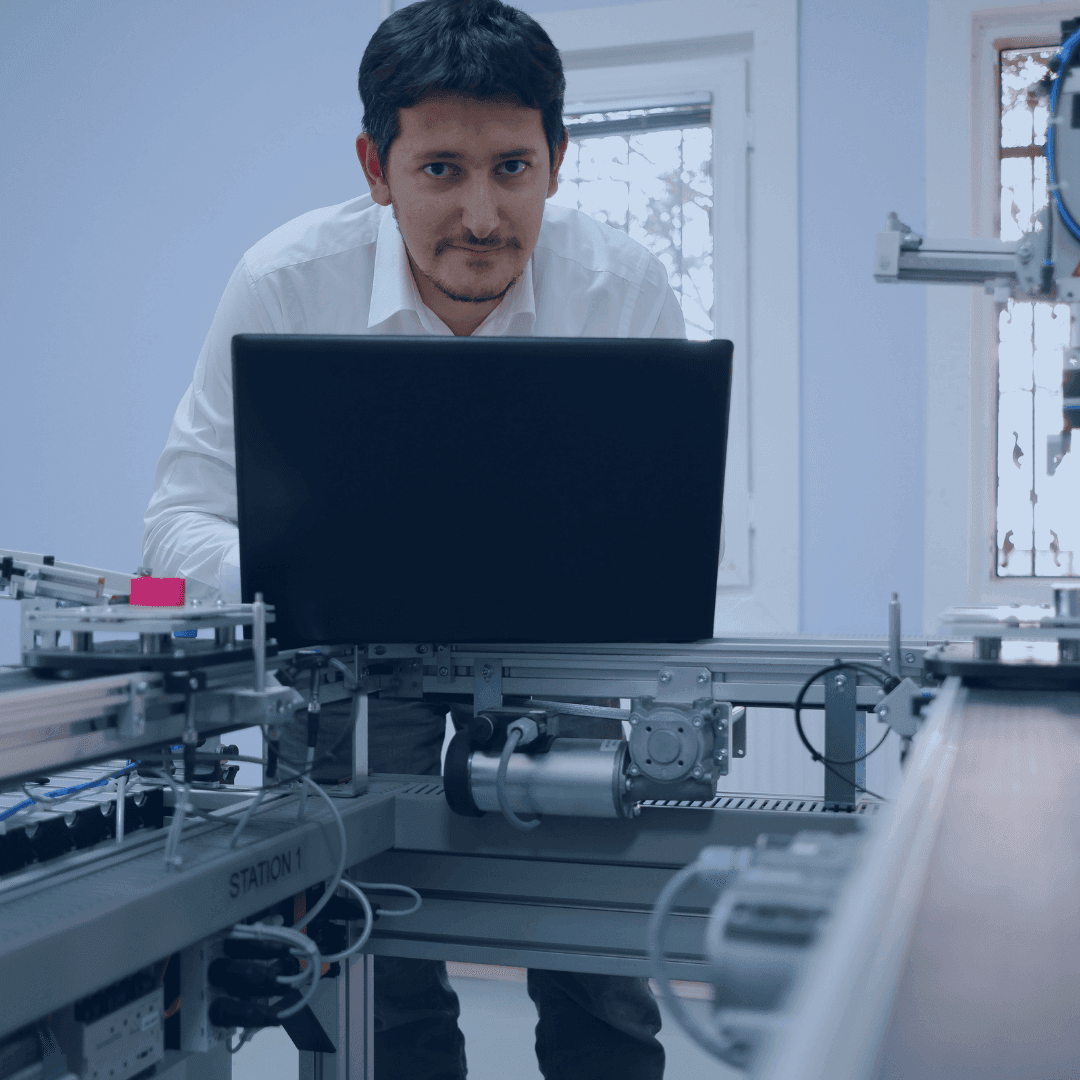
PLC Programming And Troubleshooting
1 Weeks
Professional Level
Certificate Included
| City | Date | Price | Status |
|---|---|---|---|
Kuala LumpurMalaysia | September 20, 2026 | €4,400 | Confirmed date |
GenevaSwitzerland | September 22, 2026 | €4,600 | Confirmed date |
IstanbulTurkey | October 1, 2026 | €3,900 | Confirmed date |
SingaporeSingapore | October 14, 2026 | €4,800 | Confirmed date |
AmsterdamNetherlands | October 20, 2026 | €4,600 | Confirmed date |
ParisFrance | October 22, 2026 | €4,600 | Confirmed date |
DubaiUnited Arab Emirates | October 26, 2026 | €3,900 | Confirmed date |
TunisTunis | October 31, 2026 | €3,900 | Confirmed date |
LondonUnited Kingdom | November 4, 2026 | £4,600 | Confirmed date |
Duration
1 Weeks
Category
Electrical Engineering
Level
Professional Level
Certificate
Included
Programmable Logic Controllers have become the operational backbone of modern automated industrial environments where reliability, precision, and real-time decision making are essential to productivity and operational continuity. Effective PLC programming and troubleshooting are no longer limited to maintenance personnel but have evolved into a strategic capability that enables organizations to optimize production systems, reduce downtime, improve safety compliance, and support digital transformation initiatives. As industries increasingly integrate intelligent automation, robotics, and data-driven control architectures, professionals must possess the ability to design, analyze, and diagnose PLC systems with accuracy and confidence. This course provides a structured and practical learning journey that equips participants with the technical competence required to program PLC systems, understand control logic structures, analyze faults, and implement systematic troubleshooting methodologies. Participants will develop the capability to interpret control diagrams, design efficient ladder logic, monitor system performance, and resolve operational failures in a controlled and efficient manner. By strengthening analytical thinking and practical application skills, the program enables professionals to transform automation challenges into operational improvements, ensuring systems remain reliable, efficient, and aligned with organizational performance objectives.
• Develop structured PLC programs using industry-standard logic programming techniques
• Interpret control diagrams and translate them into operational PLC logic
• Configure input/output modules and communication parameters for control systems
• Diagnose PLC faults using systematic troubleshooting methodologies
• Analyze automation processes to improve system efficiency and reliability
• Implement monitoring and debugging techniques to identify control logic errors
• Evaluate system performance and optimize control strategies for industrial operations
• Apply safe and reliable maintenance practices for automated control systems
This course is designed for automation engineers, control system engineers, electrical engineers, maintenance engineers, industrial technicians, production supervisors, instrumentation specialists, and professionals responsible for operating, maintaining, or optimizing automated control systems within industrial environments.
• Improved automation system reliability and operational stability
• Reduced equipment downtime through effective troubleshooting practices
• Enhanced productivity through optimized control logic design
• Strengthened technical capabilities within automation teams
• Increased safety and compliance in automated operations
• More efficient maintenance and fault response procedures
• Strong practical understanding of PLC programming principles
• Improved ability to diagnose and resolve automation faults
• Enhanced analytical skills in control system troubleshooting
• Increased professional competence in industrial automation environments
• Greater confidence in designing and modifying control logic
• Expanded career opportunities in automation and control engineering
• Introduction to industrial automation systems and control strategies
• PLC hardware components and system architecture
• Understanding input and output modules
• Control system signals and field device integration
• PLC operating principles and scan cycles
• Overview of programming environments and development tools
• Fundamentals of ladder logic programming
• Creating basic control instructions and logical operations
• Timer and counter programming concepts
• Data handling and memory structures in control systems
• Program structure, documentation, and best practices
• Simulation and testing of PLC programs
• Structured programming and modular logic design
• Analog signal processing and control integration
• Interlocks and safety logic implementation
• Communication networks and data exchange
• Human-machine interface integration concepts
• Performance optimization of PLC programs
• Systematic troubleshooting methodologies for automation systems
• Identifying hardware and communication failures
• Diagnosing programming errors and logic faults
• Monitoring system performance and debugging techniques
• Fault isolation strategies in complex control systems
• Practical troubleshooting case studies
• Preventive maintenance strategies for PLC systems
• Control system reliability and risk reduction techniques
• Program modification and system upgrades
• Documentation and maintenance planning for control systems
• Automation system performance evaluation
• Practical exercises in programming and troubleshooting
Duration: 1 Weeks
Duration: 5 days
Format: Classroom / Online / Blended
“The training will be delivered by a team of experts specialized in negotiation and professional relationships. They have extensive practical experience in managing complex negotiations, as well as a strong record in delivering leadership and management development programs.”
Mastering PLC programming and troubleshooting enables organizations to achieve greater operational control, reduce system failures, and sustain efficient automated production environments. By combining practical programming techniques with structured diagnostic methodologies, professionals gain the capability to maintain stable control systems, improve automation performance, and ensure long-term operational reliability. This course empowers participants to transform automation systems into strategic assets that support productivity, safety, and continuous improvement.
PLC Programming And Troubleshooting
Register for Course