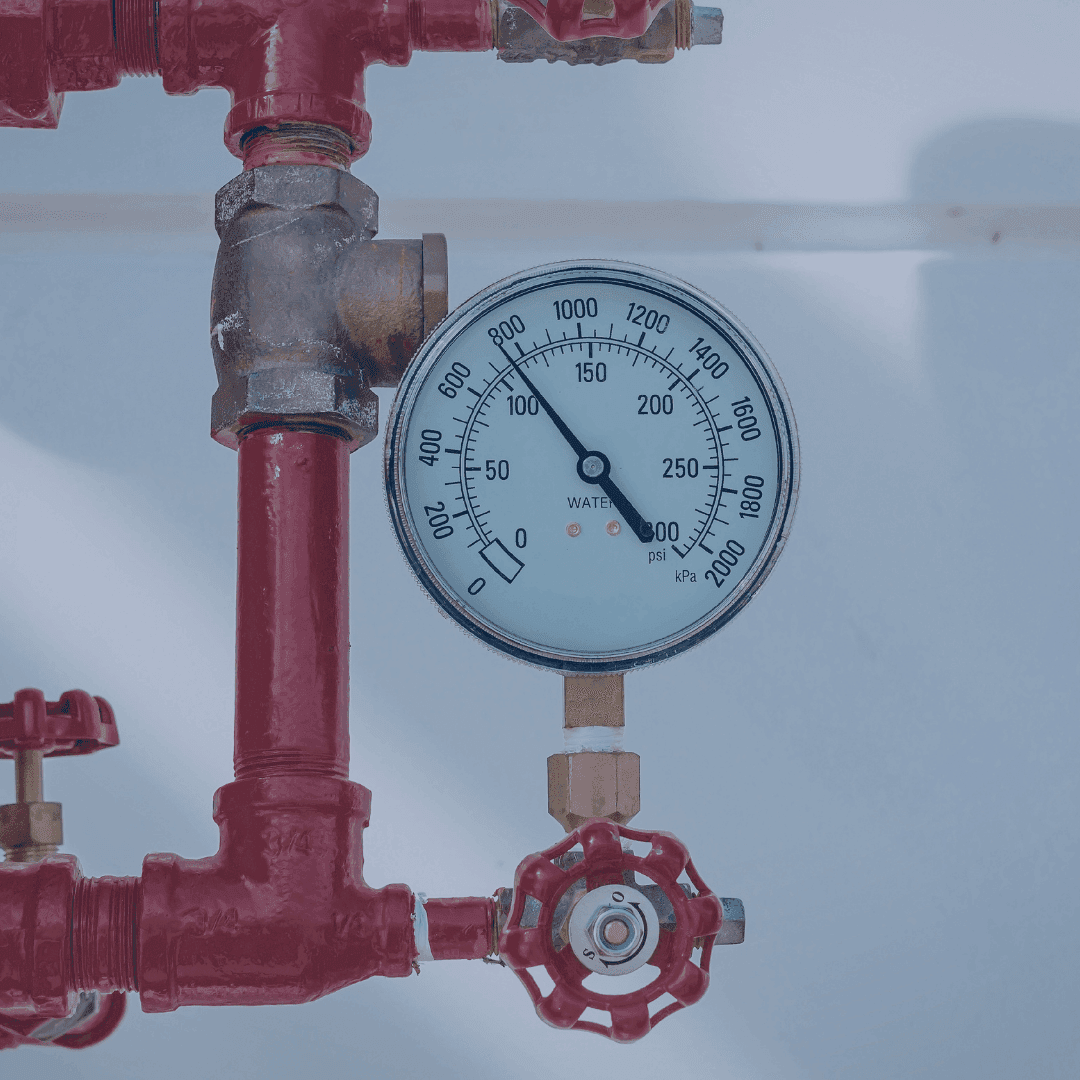
Pressure Equipment Integrity Management
1 Weeks
Professional Level
Certificate Included
| City | Date | Price | Status |
|---|---|---|---|
TunisTunis | September 19, 2026 | €4,400 | Confirmed date |
OnlineOnline | September 21, 2026 | €2,400 | Confirmed date |
DubaiUnited Arab Emirates | September 26, 2026 | €4,400 | Confirmed date |
ParisFrance | October 28, 2026 | €4,900 | Confirmed date |
LondonUnited Kingdom | November 3, 2026 | £4,800 | Confirmed date |
SingaporeSingapore | November 14, 2026 | €5,100 | Confirmed date |
Duration
1 Weeks
Category
Oil & Gas
Level
Professional Level
Certificate
Included
Pressure equipment integrity management is a critical leadership discipline that protects people, assets, and business continuity by ensuring pressure vessels, piping, relief systems, and associated safeguards perform reliably throughout their lifecycle. In modern organizations, executives and technical leaders are expected to translate integrity risks into clear priorities, measurable actions, and accountable governance that withstands operational pressure, schedule constraints, and competing capital demands. This course delivers a strategic, practical approach to preventing loss of containment through disciplined identification of credible damage mechanisms, fit-for-service decision making, risk-based planning, inspection effectiveness, and robust management of change. Participants will learn how to set specific performance targets, align cross-functional roles, and implement controlled work processes that drive predictable outcomes in safety, reliability, and cost. The program addresses real-world challenges such as aging assets, corrosion uncertainty, documentation gaps, contractor interfaces, and turnaround complexity, while highlighting opportunities to standardize integrity programs, strengthen assurance, and improve operational resilience through data-driven integrity plans and auditable performance indicators.
Integrity engineers, mechanical engineers, inspection engineers, corrosion specialists, reliability engineers, maintenance and turnaround leaders, HSE leaders, operations supervisors, asset managers, technical authorities, quality professionals, and managers responsible for pressure equipment governance and assurance.
Reduces loss-of-containment risk through consistent, auditable integrity controls
Improves reliability by preventing recurring failures and unplanned shutdowns
Optimizes inspection and maintenance spend using risk-based prioritization
Strengthens governance with clear accountability, escalation rules, and evidence trails
Enhances decision quality for repairs and life extension using structured assessment methods
Builds a sustainable integrity culture that supports operational resilience and performance
Gain the ability to evaluate integrity risk and translate it into practical action plans
Improve competence in damage mechanism thinking and inspection planning
Strengthen judgment in interpreting inspection results and determining next steps
Build confidence in leading cross-functional integrity reviews and escalations
Learn how to design integrity assurance processes that withstand audits and scrutiny
Develop a clear toolkit for preventing repeat failures and improving equipment uptime
Duration: 1 Weeks
Duration: 5 days
Format: Classroom / Online / Blended
“The training will be delivered by a team of experts specialized in negotiation and professional relationships. They have extensive practical experience in managing complex negotiations, as well as a strong record in delivering leadership and management development programs.”
This course equips leaders and technical professionals with a disciplined, results-oriented approach to pressure equipment integrity management that protects operational continuity and strengthens corporate governance. By converting integrity risks into measurable priorities, clear assurance controls, and defensible decisions, participants will be able to reduce uncertainty, prevent repeat failures, and improve reliability performance with confidence. The program emphasizes practical application, cross-functional alignment, and accountable execution so that integrity becomes a predictable management outcome rather than a reactive response.
Pressure Equipment Integrity Management
Register for Course