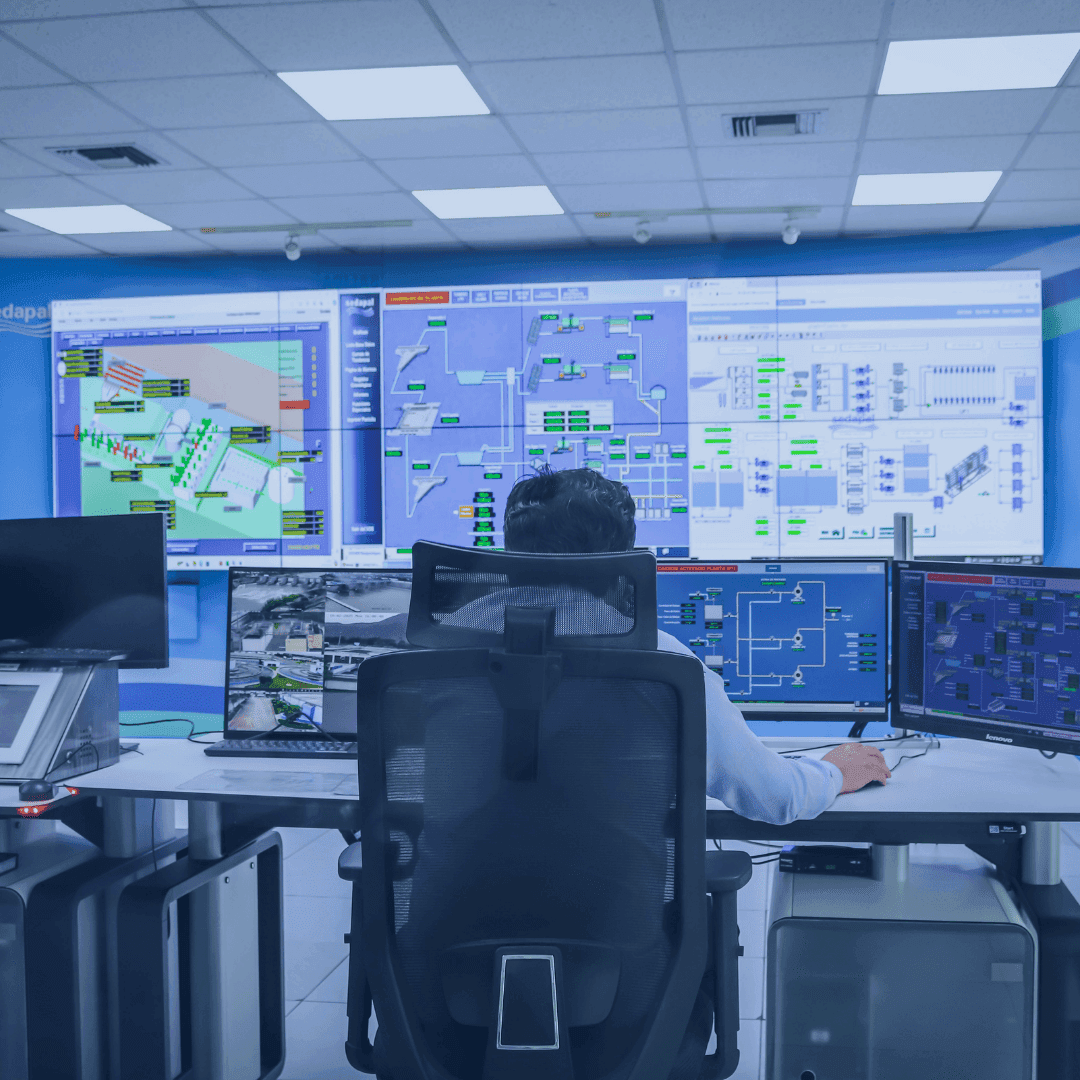
SCADA Systems Operation
1 Weeks
Professional Level
Certificate Included
| City | Date | Price | Status |
|---|---|---|---|
LisbonPortugal | September 13, 2026 | €4,400 | Confirmed date |
OnlineOnline | October 1, 2026 | €1,790 | Confirmed date |
ParisFrance | October 3, 2026 | €4,600 | Confirmed date |
IstanbulTurkey | October 15, 2026 | €3,900 | Confirmed date |
Kuala LumpurMalaysia | October 19, 2026 | €4,400 | Confirmed date |
AmsterdamNetherlands | November 1, 2026 | €4,600 | Confirmed date |
DubaiUnited Arab Emirates | November 4, 2026 | €3,900 | Confirmed date |
GenevaSwitzerland | November 7, 2026 | €4,600 | Confirmed date |
Duration
1 Weeks
Category
Electrical Engineering
Level
Professional Level
Certificate
Included
Supervisory control and data acquisition systems play a pivotal role in modern industrial and infrastructure operations by enabling real-time monitoring, control, and optimization of complex processes across geographically distributed assets. Effective SCADA operation empowers organizations to achieve operational visibility, improve decision-making speed, and ensure reliability in mission-critical environments where downtime and inefficiency can have significant operational and financial consequences. As industries continue to integrate automation, digital monitoring, and intelligent control strategies, professionals responsible for operating SCADA environments must possess both technical expertise and strategic operational awareness. This course provides a comprehensive and practical understanding of SCADA system architecture, operational workflows, monitoring strategies, alarm management, and system performance optimization. Participants will explore how to operate and supervise SCADA environments efficiently while maintaining system reliability, data integrity, and operational safety. The program addresses common operational challenges such as communication failures, data inconsistencies, and alarm overload while highlighting opportunities to enhance operational efficiency through structured monitoring and analytical decision-making. Through practical insights and operational case examples, participants will strengthen their ability to manage SCADA operations confidently, support continuous system availability, and contribute to high-performance operational environments.
This course is designed for professionals involved in industrial monitoring and operational control environments, including:
Improve operational visibility and real-time monitoring capabilities
Enhance reliability and availability of operational control systems
Reduce downtime through faster detection of operational anomalies
Strengthen operational decision-making through accurate system data
Improve coordination between operational teams and monitoring centers
Support digital transformation initiatives in operational environments
Gain practical knowledge of SCADA operational environments
Develop confidence in managing real-time monitoring systems
Improve troubleshooting and operational response capabilities
Strengthen understanding of automated operational control systems
Enhance professional competence in industrial automation operations
Build skills required for advanced operational technology environments
Duration: 1 Weeks
Duration: 5 days
Format: Classroom / Online / Blended
“The training will be delivered by a team of experts specialized in negotiation and professional relationships. They have extensive practical experience in managing complex negotiations, as well as a strong record in delivering leadership and management development programs.”
Effective SCADA system operation is essential for organizations seeking reliable, data-driven, and highly responsive operational environments. By mastering monitoring strategies, operational control procedures, and troubleshooting methodologies, professionals can ensure that complex automated systems operate efficiently and safely. This program equips participants with the practical operational expertise required to supervise modern SCADA environments, improve situational awareness, and support resilient and high-performance operational infrastructures.
SCADA Systems Operation
Register for Course