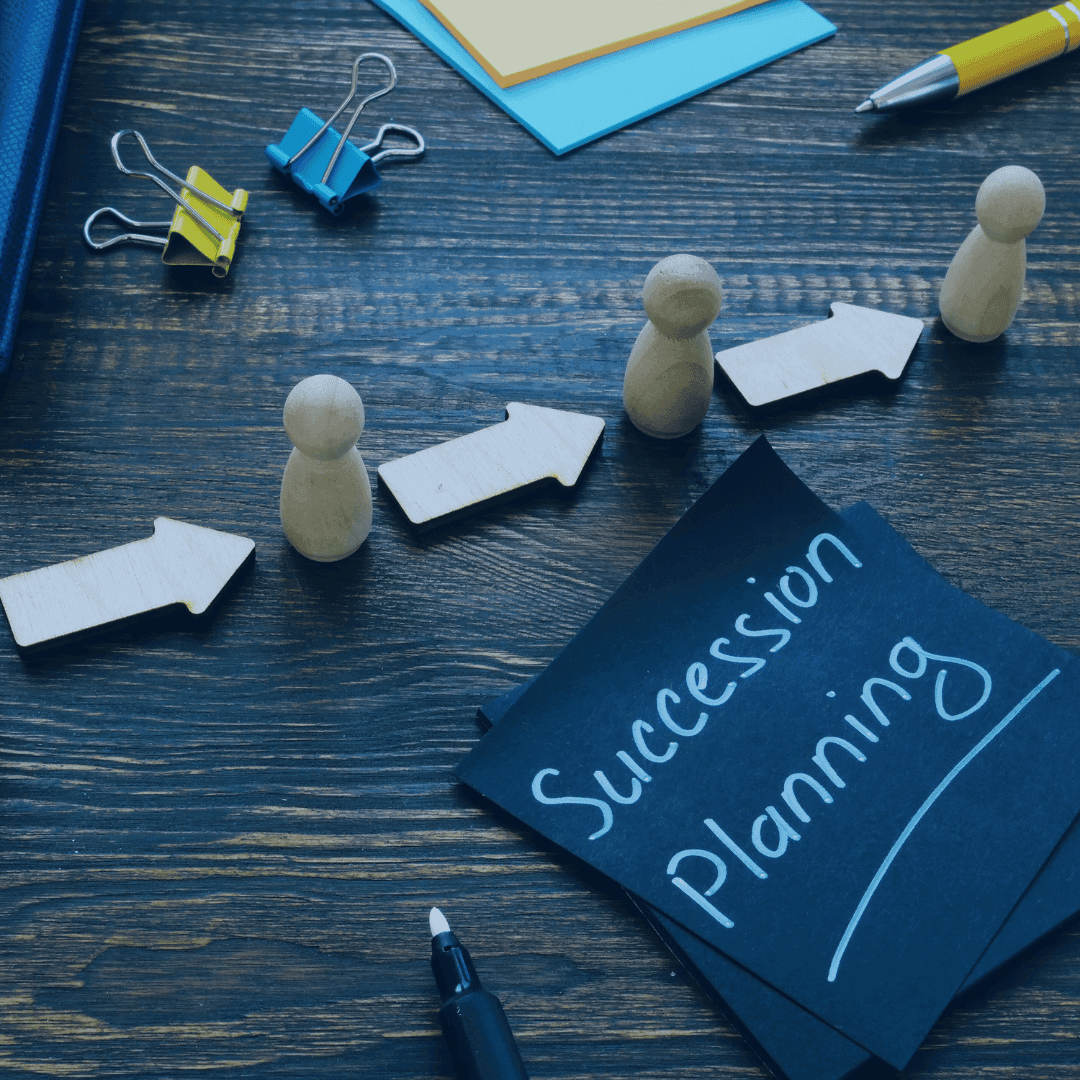
Succession Planning Strategies

Succession Planning Strategies

1 Weeks
Professional Level
Certificate Included
Course Content

Available Events

Available Events
CityDatePriceStatus
TunisTunis
September 21, 2026
€3,900
Confirmed date
OnlineOnline
September 22, 2026
€1,790
Confirmed date
Kuala LumpurMalaysia
October 1, 2026
€4,400
Confirmed date
IstanbulTurkey
October 6, 2026
€3,900
Confirmed date
DubaiUnited Arab Emirates
November 5, 2026
€3,900
Confirmed date
LisbonPortugal
November 7, 2026
€4,400
Confirmed date
AmsterdamNetherlands
November 17, 2026
€4,600
Confirmed date

Course Information

Duration

1 Weeks

Category

HR Courses

Level

Professional Level

Certificate

Included

INTRODUCTION

Succession planning has become a strategic priority for organizations that want to remain competitive, resilient, and prepared for leadership transitions. Many organizations face serious risks when critical roles become vacant without a clear internal successor or structured transition plan. Effective succession planning ensures that capable people are identified, developed, and prepared before leadership gaps threaten business performance. This course introduces a comprehensive approach to succession planning that integrates talent reviews, competency frameworks, performance data, leadership potential, and development planning. Participants will learn how to distinguish between replacement planning and true succession planning, and how to build a leadership pipeline that supports long-term growth. The program also examines how succession planning can improve employee engagement, retention, and organizational confidence by showing clear career progression opportunities. Special attention is given to practical implementation, including governance structures, communication approaches, risk mapping, and monitoring progress. The course is designed to transform succession planning from an isolated HR activity into a business-driven strategic process. It provides actionable knowledge for professionals who want to strengthen leadership continuity and create a sustainable future-ready organization.

COURSE OBJECTIVES

Participants will achieve the following objectives by this course:

  • Understand the strategic role of succession planning in organizational continuity and leadership sustainability.
  • Identify critical positions and assess their impact on business performance and operational risk.
  • Develop competency models that define success requirements for key leadership and technical roles.
  • Apply objective methods for evaluating employee potential, readiness, performance, and career aspirations.
  • Design structured leadership pipelines that support internal mobility and future talent needs.
  • Create individual development plans linked to succession readiness and organizational priorities.
  • Establish governance mechanisms for succession decisions, talent reviews, and accountability.
  • Manage succession risks related to sudden departures, talent shortages, and leadership transitions.
  • Communicate succession planning processes professionally while maintaining transparency and confidentiality.
  • Measure succession planning effectiveness using practical metrics, dashboards, and review cycles.

TARGET AUDIENCE

This program targets a professional audience seeking to improve knowledge and skills:

  • HR directors, HR managers, and senior HR business partners responsible for strategic workforce planning.
  • Talent management professionals involved in leadership development, performance reviews, and career planning.
  • Executives and department heads responsible for business continuity and leadership pipeline decisions.
  • Learning and development managers designing development programs for future leaders.
  • Organizational development specialists supporting transformation, culture building, and capability development.
  • Senior managers preparing teams for role transitions, internal mobility, and future growth.
  • Professionals responsible for employee retention, competency frameworks, and high-potential talent programs.

COURSE OUTLINE

Day 1: Foundations of Strategic Succession Planning

  • Define succession planning and its strategic organizational value.
  • Differentiate succession planning from replacement planning.
  • Identify business risks caused by leadership gaps.
  • Link succession planning with corporate strategy.
  • Understand leadership continuity and resilience.
  • Analyze succession planning maturity levels.
  • Explore global best practices in succession planning.
  • Review common mistakes in succession programs.

Day 2: Critical Roles and Talent Risk Assessment

  • Identify roles critical to business continuity.
  • Assess position impact and vulnerability.
  • Map leadership, technical, and specialist roles.
  • Evaluate internal talent supply and demand.
  • Use risk matrices for succession priorities.
  • Analyze emergency and long-term succession needs.
  • Define role requirements and success profiles.
  • Prioritize roles for succession planning investment.

Day 3: Talent Assessment and Successor Identification

  • Build competency frameworks for key positions.
  • Assess performance, potential, and readiness.
  • Use talent reviews and calibration meetings.
  • Identify high-potential employees objectively.
  • Avoid bias in successor nomination decisions.
  • Evaluate employee aspirations and mobility.
  • Create talent pools for strategic roles.
  • Document successor readiness levels clearly.

Day 4: Development Planning and Leadership Pipeline Building

  • Design individual development plans for successors.
  • Align development actions with competency gaps.
  • Use coaching, mentoring, and stretch assignments.
  • Build leadership pipelines across organizational levels.
  • Integrate learning programs with succession needs.
  • Support internal mobility and career pathways.
  • Monitor progress through structured review cycles.
  • Strengthen retention of critical talent.

Day 5: Governance, Implementation, and Measurement

  • Establish succession planning governance structures.
  • Define roles for executives, HR, and managers.
  • Communicate processes with clarity and confidentiality.
  • Create succession dashboards and reporting tools.
  • Measure readiness, coverage, and pipeline strength.
  • Review succession plans regularly and systematically.
  • Manage succession planning during organizational change.
  • Develop an implementation roadmap for sustainability.

COURSE DURATION

Duration: 1 Weeks

The Succession Planning Strategies Training Course is delivered over five days and can be conducted in classroom, online, or blended formats depending on organizational needs. Each day combines strategic discussion, practical tools, case analysis, guided exercises, and applied planning activities to ensure that participants can transfer learning directly into workplace practice. The recommended format includes interactive sessions, group work, succession planning templates, talent review simulations, and development planning exercises designed for executives, managers, and HR professionals.

INSTRUCTOR INFORMATION

The training will be delivered by a team of experts specialized in human resources strategy, talent management, leadership development, organizational development, and workforce planning. The instructors bring practical experience in designing succession planning frameworks, facilitating executive talent reviews, building leadership pipelines, and supporting organizations through leadership transitions. Their approach combines global best practices with practical business application to help participants design succession strategies that are realistic, measurable, and aligned with organizational goals.

FREQUENTLY ASKED QUESTIONS

This course is ideal for HR leaders, executives, managers, talent professionals, and organizational development specialists responsible for leadership continuity.

CONCLUSION

Succession Planning Strategies Training Course provides a practical and strategic foundation for building sustainable leadership continuity. Participants gain the knowledge and tools needed to identify critical roles, assess successor readiness, and develop future leaders effectively. The course supports stronger governance, better talent decisions, and measurable succession outcomes. It helps organizations reduce leadership risk while strengthening employee engagement and internal growth opportunities. By applying the course frameworks, organizations can create future-ready leadership pipelines aligned with long-term business success.

Succession Planning Strategies

Register for Course