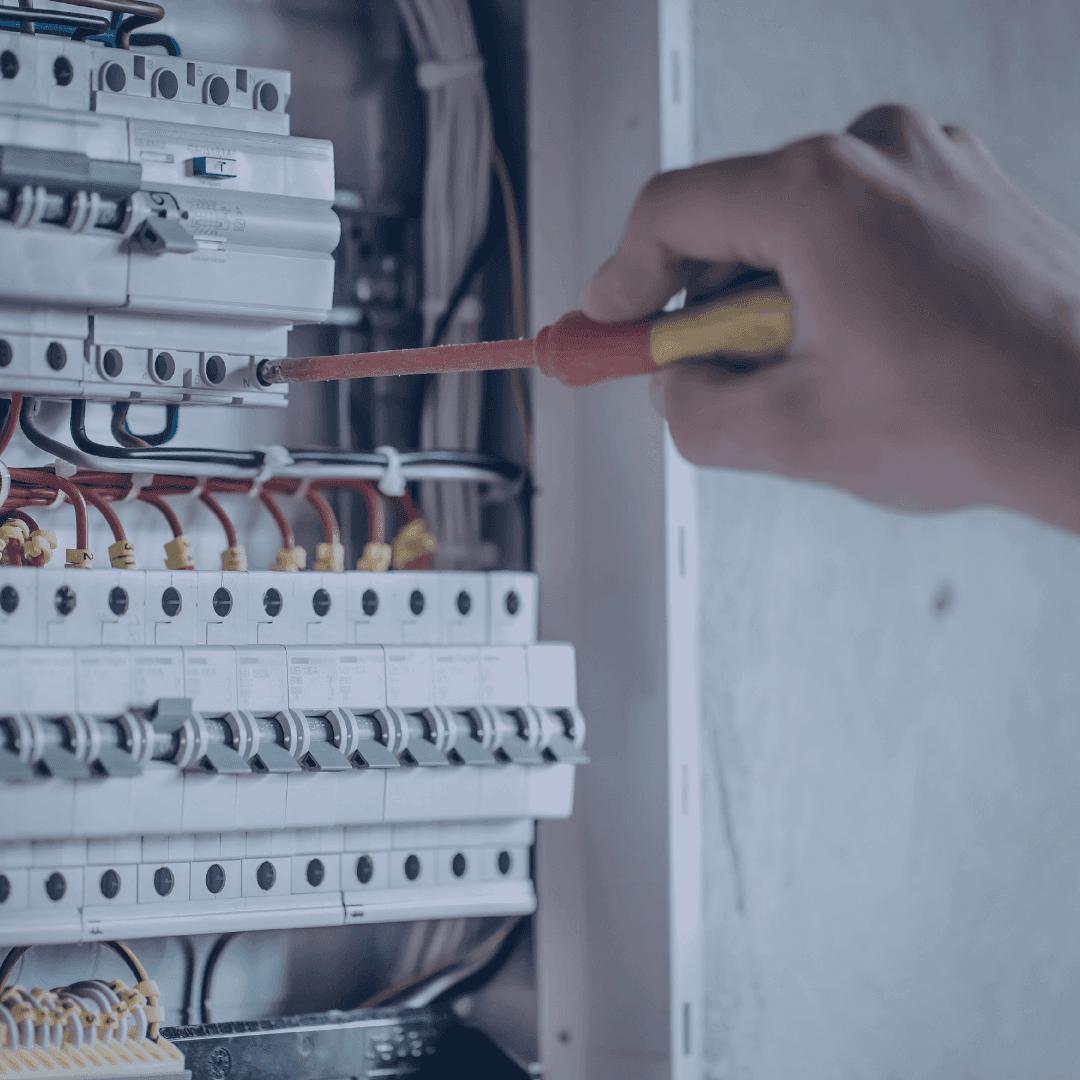
Transformers And Circuit Breakers Maintenance
1 Weeks
Professional Level
Certificate Included
| City | Date | Price | Status |
|---|---|---|---|
ParisFrance | September 18, 2026 | €4,900 | Confirmed date |
ParisFrance | September 18, 2026 | €4,900 | Confirmed date |
LisbonPortugal | September 19, 2026 | €4,800 | Confirmed date |
LisbonPortugal | September 19, 2026 | €4,800 | Confirmed date |
LondonUnited Kingdom | September 26, 2026 | £4,800 | Confirmed date |
LondonUnited Kingdom | September 26, 2026 | £4,800 | Confirmed date |
OnlineOnline | September 27, 2026 | €2,400 | Confirmed date |
OnlineOnline | September 27, 2026 | €2,400 | Confirmed date |
AmsterdamNetherlands | September 29, 2026 | €4,900 | Confirmed date |
AmsterdamNetherlands | September 29, 2026 | €4,900 | Confirmed date |
IstanbulTurkey | October 1, 2026 | €4,400 | Confirmed date |
IstanbulTurkey | October 1, 2026 | €4,400 | Confirmed date |
GenevaSwitzerland | October 17, 2026 | €4,900 | Confirmed date |
GenevaSwitzerland | October 17, 2026 | €4,900 | Confirmed date |
TunisTunis | October 24, 2026 | €4,400 | Confirmed date |
TunisTunis | October 24, 2026 | €4,400 | Confirmed date |
Kuala LumpurMalaysia | November 6, 2026 | €4,800 | Confirmed date |
Kuala LumpurMalaysia | November 6, 2026 | €4,800 | Confirmed date |
DubaiUnited Arab Emirates | November 7, 2026 | €4,400 | Confirmed date |
DubaiUnited Arab Emirates | November 7, 2026 | €4,400 | Confirmed date |
Duration
1 Weeks
Category
Electrical Engineering
Level
Professional Level
Certificate
Included
In modern power systems and industrial energy infrastructures, transformers and circuit breakers represent two of the most critical assets responsible for ensuring reliable power distribution, operational safety, and system resilience. Effective maintenance of these components is essential for preventing costly outages, minimizing operational risks, and sustaining long-term asset performance. Organizations that depend on continuous electrical supply must adopt proactive maintenance strategies that integrate condition monitoring, systematic inspections, predictive diagnostics, and disciplined maintenance planning. The complexity of high-voltage equipment, aging infrastructure, increased energy demand, and strict reliability expectations create significant operational challenges for engineering teams and technical leaders. This professional training course provides a strategic and practical framework for maintaining transformers and circuit breakers through modern maintenance methodologies, advanced diagnostic techniques, and structured asset management practices. Participants will gain the ability to evaluate equipment health, identify early signs of deterioration, implement preventive and predictive maintenance programs, and support informed decision-making that enhances system reliability. By aligning operational practices with measurable performance targets and risk-based maintenance principles, organizations can strengthen operational continuity, optimize maintenance resources, and ensure the safe and efficient performance of critical electrical infrastructure.
This course is designed for professionals responsible for the reliability, operation, and maintenance of electrical power systems, including electrical engineers, maintenance engineers, reliability engineers, power system specialists, substation engineers, asset management professionals, maintenance supervisors, and technical managers overseeing electrical infrastructure and high-voltage equipment operations.
Improved reliability of power distribution infrastructure
Reduced unplanned outages and operational disruptions
Enhanced asset lifecycle performance and equipment availability
Optimized maintenance costs through predictive strategies
Strengthened safety compliance in electrical maintenance activities
Improved decision-making based on equipment condition data
Enhanced technical expertise in transformer and circuit breaker maintenance
Improved ability to diagnose electrical equipment failures
Practical understanding of testing and condition monitoring techniques
Greater confidence in managing high-voltage maintenance tasks
Stronger analytical skills for interpreting maintenance data
Professional development in electrical asset management practices
Duration: 1 Weeks
Duration: 5 days
Format: Classroom / Online / Blended
“The training will be delivered by a team of experts specialized in negotiation and professional relationships. They have extensive practical experience in managing complex negotiations, as well as a strong record in delivering leadership and management development programs.”
Maintaining transformers and circuit breakers is a strategic operational priority for organizations that depend on reliable electrical power systems. Effective maintenance practices reduce operational risks, protect critical infrastructure, and ensure long-term asset reliability. By combining structured maintenance planning, advanced diagnostic methods, and disciplined operational procedures, organizations can significantly improve equipment performance while minimizing unexpected failures. This training program equips professionals with the technical knowledge and practical skills required to manage electrical equipment maintenance with confidence, enabling them to contribute to safer operations, higher reliability, and more efficient asset management across modern power systems.
Transformers And Circuit Breakers Maintenance
Register for Course