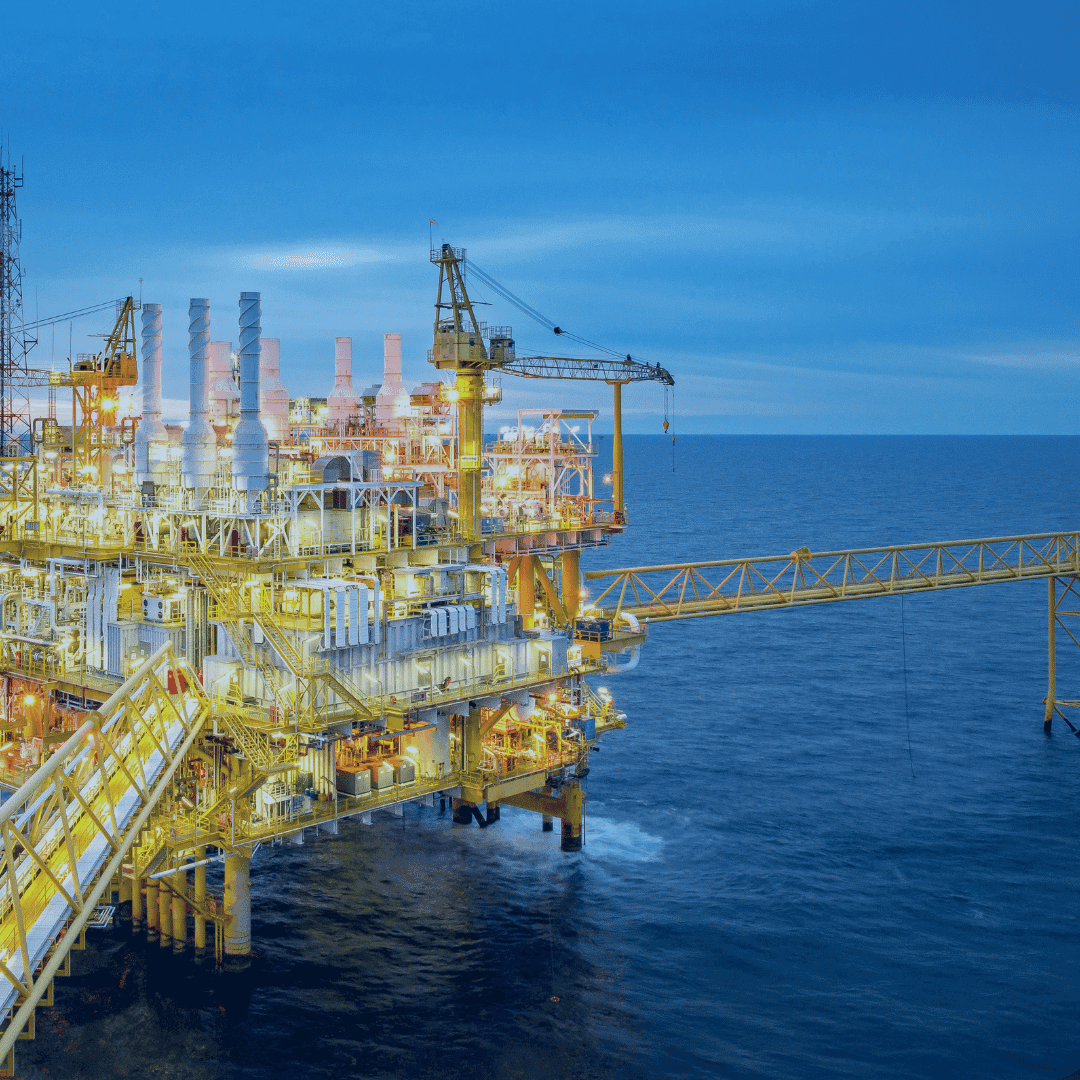
Upstream Oil and Gas Operations

Upstream Oil and Gas Operations

1 Weeks
Professional Level
Certificate Included
Course Content

Available Events

Available Events
CityDatePriceStatus
LisbonPortugal
September 14, 2026
€4,800
Confirmed date
ParisFrance
September 18, 2026
€4,900
Confirmed date
OnlineOnline
October 2, 2026
€2,400
Confirmed date
Kuala LumpurMalaysia
October 5, 2026
€4,800
Confirmed date
SingaporeSingapore
October 6, 2026
€5,100
Confirmed date
DubaiUnited Arab Emirates
October 14, 2026
€4,400
Confirmed date
TunisTunis
October 27, 2026
€4,400
Confirmed date
LondonUnited Kingdom
October 28, 2026
£4,800
Confirmed date
AmsterdamNetherlands
November 3, 2026
€4,900
Confirmed date

Course Information

Duration

1 Weeks

Category

Oil & Gas

Level

Professional Level

Certificate

Included

INTRODUCTION

Upstream oil and gas operations represent the foundation of the petroleum industry because they focus on finding, developing, and producing hydrocarbons from underground reservoirs. These operations require close coordination between geoscientists, drilling engineers, reservoir engineers, production teams, HSE professionals, commercial specialists, and project managers. A strong understanding of upstream processes helps professionals make better decisions across exploration, appraisal, field development, well construction, and production optimization. The complexity of upstream work increases when organizations operate in challenging geological settings, remote locations, high-pressure reservoirs, offshore fields, or mature assets requiring enhanced recovery strategies. This course provides a structured and practical pathway for understanding the upstream lifecycle in a clear, professional, and business-focused manner. It explains how technical decisions influence safety, costs, production performance, reserves, project value, and long-term asset sustainability. Participants will learn how upstream operations are planned, executed, monitored, and improved through integrated workflows and multidisciplinary collaboration. The program also highlights the importance of compliance, environmental management, emergency preparedness, and operational risk mitigation. This training course supports professionals who need a reliable and globally relevant overview of upstream oil and gas operations.

COURSE OBJECTIVES

Participants will achieve the following objectives by this course:

  • Understand the complete upstream oil and gas lifecycle from exploration to production optimization.
  • Explain key geological, geophysical, reservoir, drilling, and production concepts.
  • Identify how exploration data supports prospect evaluation and resource estimation.
  • Recognize the main stages of well planning, drilling, completion, and intervention.
  • Assess production operations, field facilities, flow assurance, and performance monitoring.
  • Apply operational risk awareness across safety, environmental, technical, and commercial decisions.
  • Interpret upstream terminology used by multidisciplinary teams and industry stakeholders.
  • Understand reservoir management principles for maximizing recovery and asset value.
  • Evaluate how digital tools improve surveillance, diagnostics, and operational efficiency.
  • Support integrated decision-making in upstream projects, assets, and field operations.

TARGET AUDIENCE

This program targets a professional audience seeking to improve knowledge and skills:

  • Engineers, geoscientists, project professionals, field supervisors, operations coordinators, commercial teams, procurement specialists, HSE personnel, regulators, finance professionals, and managers working with upstream oil and gas assets.
  • New professionals entering exploration and production roles who need structured industry knowledge.
  • Non-technical professionals supporting upstream projects, contracts, planning, reporting, or investment decisions.
  • Mid-career professionals seeking broader understanding of integrated upstream operations and asset performance.
  • Executives and decision-makers who require practical insight into upstream risks, costs, technologies, and production value drivers.
  • Professionals from service companies supporting drilling, completions, production, reservoir management, or field development activities.

COURSE OUTLINE

Day 1: Upstream Industry Structure and Exploration Foundations

  • Overview of the upstream oil and gas value chain.
  • Roles of exploration, appraisal, development, and production teams.
  • Petroleum systems: source, reservoir, seal, trap, and migration.
  • Basin analysis and prospect identification fundamentals.
  • Geological and geophysical data used in exploration.
  • Seismic acquisition, processing, interpretation, and uncertainty.
  • Resource estimation, chance of success, and exploration risk.
  • Licensing, concessions, contracts, and regulatory considerations.
  • Exploration economics and investment decision gateways.

Day 2: Reservoir Evaluation and Field Development Planning

  • Reservoir rock properties: porosity, permeability, saturation, and pressure.
  • Fluid properties and phase behavior in oil and gas reservoirs.
  • Well logging, coring, testing, and subsurface data integration.
  • Static and dynamic reservoir modeling fundamentals.
  • Reserves classification and production forecasting concepts.
  • Field development planning and concept selection.
  • Well patterns, recovery mechanisms, and depletion strategies.
  • Surface facility requirements for development planning.
  • Economic evaluation, uncertainty, and decision risk.

Day 3: Drilling, Well Construction, and Completion Operations

  • Well planning, trajectory design, and drilling program preparation.
  • Rig systems, drilling equipment, and operational workflows.
  • Drilling fluids, cementing, casing, and well integrity principles.
  • Common drilling hazards and operational risk controls.
  • Directional drilling, horizontal wells, and advanced well designs.
  • Completion types, perforation, stimulation, and sand control.
  • Well testing, cleanup, and handover to production operations.
  • Cost control, non-productive time, and performance tracking.
  • HSE management in drilling and well construction operations.

Day 4: Production Operations and Surface Facilities

  • Production system overview from reservoir to export point.
  • Wellhead equipment, flowlines, manifolds, separators, and processing facilities.
  • Artificial lift methods and selection considerations.
  • Flow assurance challenges including hydrate, wax, scale, and corrosion.
  • Production monitoring, metering, allocation, and reporting.
  • Facility operations, maintenance planning, and reliability management.
  • Produced water handling, gas treatment, and emissions control.
  • Shutdown, startup, emergency response, and operational procedures.
  • Production optimization and daily field performance management.

Day 5: Reservoir Management, Optimization, and Future Trends

  • Reservoir surveillance, pressure monitoring, and production diagnostics.
  • Decline analysis, material balance, and performance interpretation.
  • Waterflooding, gas injection, and enhanced oil recovery methods.
  • Mature field management and production enhancement opportunities.
  • Integrated asset management and cross-functional decision-making.
  • Digital oilfield, automation, analytics, and remote operations.
  • Sustainability, carbon management, and environmental performance.
  • Upstream risk governance, audits, and continuous improvement.
  • Capstone discussion on integrated upstream operational excellence.

COURSE DURATION

Duration: 1 Weeks

The course is designed as a five-day professional training program delivered through classroom, online, or blended learning formats, with each day combining technical explanation, industry examples, facilitated discussions, practical exercises, and applied case analysis to ensure participants understand upstream oil and gas operations from both operational and strategic perspectives.

INSTRUCTOR INFORMATION

The training will be delivered by a team of experts specialized in upstream oil and gas operations, exploration and production management, drilling, reservoir engineering, production optimization, HSE governance, and integrated asset development, with practical experience in supporting technical teams, field operations, and executive decision-making across international energy environments.

FREQUENTLY ASKED QUESTIONS

Professionals involved in exploration, drilling, production, field development, HSE, finance, procurement, project management, or upstream decision support should attend.

CONCLUSION

The Upstream Oil and Gas Operations Training Course gives professionals a structured understanding of the complete exploration and production lifecycle. It connects technical fundamentals with practical operational realities, commercial implications, and asset performance priorities. Participants will gain the language, concepts, and decision-making awareness needed to work more effectively across upstream teams. The course supports safer operations, better collaboration, stronger planning, and improved understanding of field value creation. It is an essential program for professionals and organizations seeking practical excellence in upstream oil and gas operations.

Upstream Oil and Gas Operations

Register for Course