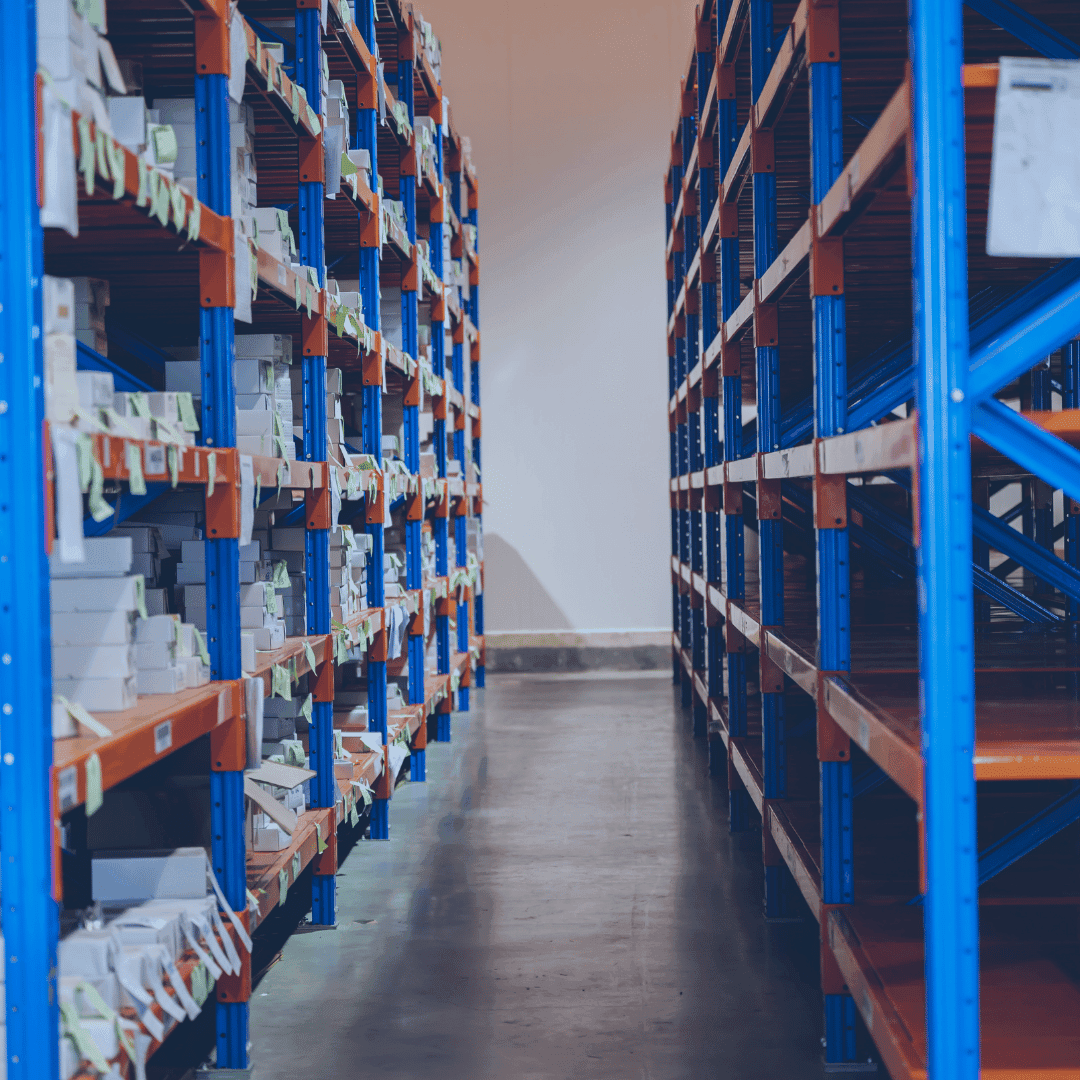
Warehouse & Inventory Optimization
1 Weeks
Professional Level
Certificate Included
| City | Date | Price | Status |
|---|---|---|---|
TunisTunis | September 15, 2026 | €4,400 | Confirmed date |
TunisTunis | September 15, 2026 | €4,400 | Confirmed date |
AmsterdamNetherlands | September 23, 2026 | €4,900 | Confirmed date |
AmsterdamNetherlands | September 23, 2026 | €4,900 | Confirmed date |
Kuala LumpurMalaysia | September 29, 2026 | €4,800 | Confirmed date |
Kuala LumpurMalaysia | September 29, 2026 | €4,800 | Confirmed date |
OnlineOnline | October 15, 2026 | €2,400 | Confirmed date |
OnlineOnline | October 15, 2026 | €2,400 | Confirmed date |
GenevaSwitzerland | October 25, 2026 | €4,900 | Confirmed date |
GenevaSwitzerland | October 25, 2026 | €4,900 | Confirmed date |
Duration
1 Weeks
Category
Supply Chain Management
Level
Professional Level
Certificate
Included
Warehouse & Inventory Optimization is a strategic professional training course designed to help organizations strengthen operational control, reduce inventory-related costs, improve service reliability, and create more responsive supply chain environments. In modern organizations, warehouses are no longer viewed as passive storage facilities; they are performance-critical hubs that influence customer satisfaction, working capital, procurement efficiency, production continuity, and overall business resilience. This course provides participants with practical methods to evaluate warehouse performance, optimize stock levels, improve space utilization, reduce waste, enhance demand responsiveness, and align inventory decisions with organizational priorities. It addresses key challenges such as inaccurate stock records, excess inventory, stockouts, inefficient picking processes, poor layout design, weak replenishment controls, and limited visibility across inventory movements. Through an executive and practical learning approach, participants will understand how to transform warehouse and inventory functions into measurable value drivers by improving processes, applying data-based decision-making, strengthening controls, and building continuous improvement practices that support productivity, cost efficiency, risk reduction, and sustainable operational excellence.
This course is designed for warehouse managers, inventory controllers, supply chain professionals, logistics supervisors, operations managers, procurement specialists, materials planners, distribution managers, stock control officers, production planning teams, finance professionals involved in inventory cost control, quality and compliance personnel, and executives responsible for improving operational efficiency, service reliability, and working capital performance.
Improved inventory accuracy and stronger stock visibility across operations.
Reduced carrying costs, obsolete stock, waste, and unnecessary capital tied in inventory.
Enhanced warehouse productivity through better layout, workflow, and labor utilization.
Fewer stockouts, delays, fulfillment errors, and operational disruptions.
Stronger coordination between warehousing, procurement, finance, and operations.
Better decision-making through measurable performance indicators and control practices.
Gain practical skills in warehouse performance analysis and inventory optimization.
Improve the ability to identify inefficiencies and recommend measurable improvements.
Develop stronger knowledge of stock control, replenishment, and warehouse workflows.
Build confidence in using operational indicators to support management decisions.
Enhance professional value in logistics, supply chain, procurement, and operations roles.
Learn practical tools that can be applied directly in daily warehouse and inventory activities.
Duration: 1 Weeks
Duration: 5 days
Format: Classroom / Online / Blended
The training will be delivered by a team of experts specialized in negotiation and professional relationships. They have extensive practical experience in managing complex negotiations, as well as a strong record in delivering leadership and management development programs.
Warehouse & Inventory Optimization provides organizations and professionals with the knowledge, tools, and practical direction needed to transform warehouse and inventory activities into strategic contributors to performance, cost efficiency, and service reliability. By strengthening stock control, improving warehouse workflows, enhancing data-based decision-making, and aligning inventory practices with organizational goals, participants will be equipped to deliver measurable improvements that support operational excellence and sustainable growth. This course is a valuable investment for any organization seeking stronger supply chain resilience, better resource utilization, and more disciplined inventory performance.
Warehouse & Inventory Optimization
Register for Course