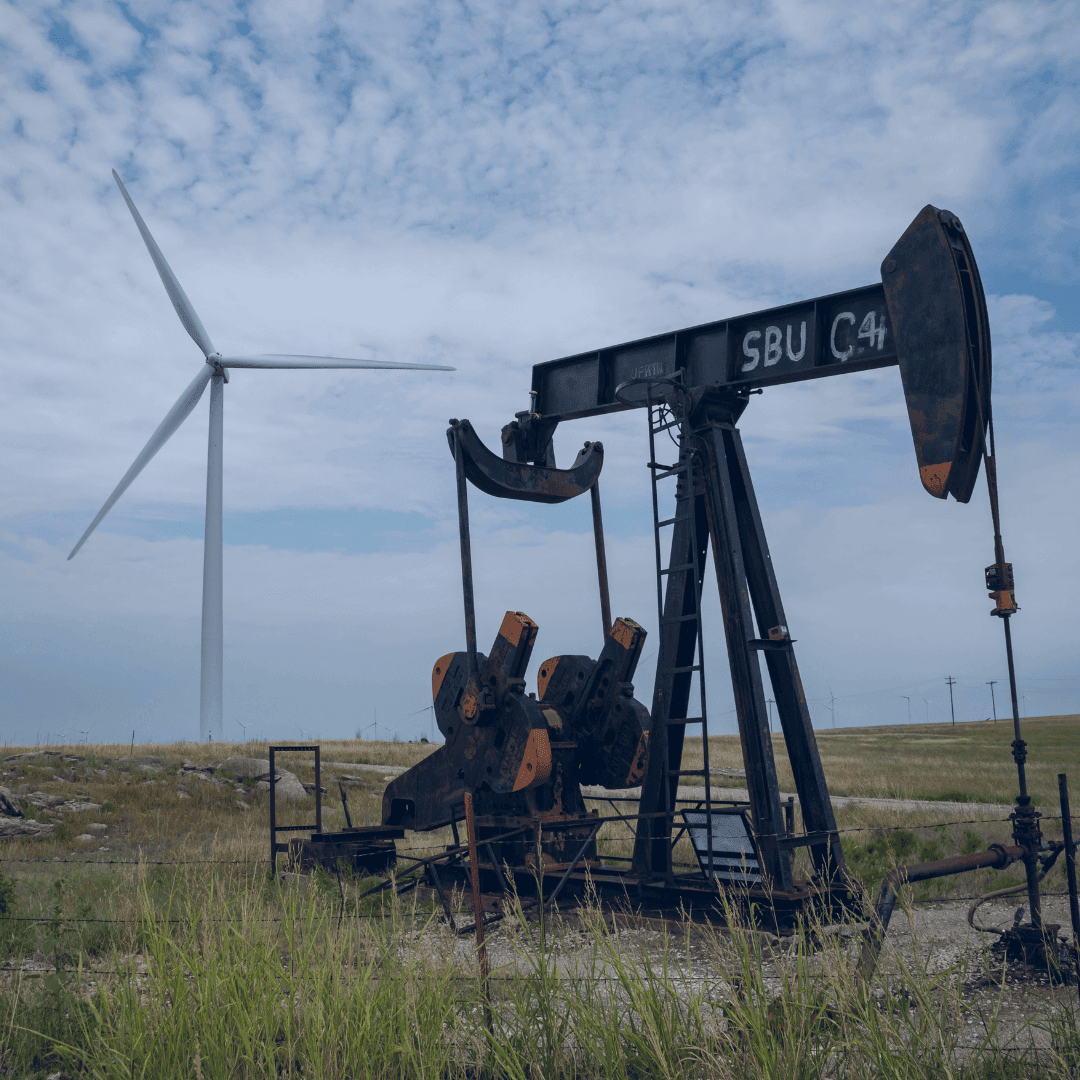
Well Control And Blowout Prevention
1 Weeks
Professional Level
Certificate Included
| City | Date | Price | Status |
|---|---|---|---|
OnlineOnline | October 11, 2026 | €2,400 | Confirmed date |
AmsterdamNetherlands | October 12, 2026 | €4,900 | Confirmed date |
ParisFrance | November 2, 2026 | €4,900 | Confirmed date |
GenevaSwitzerland | November 11, 2026 | €4,900 | Confirmed date |
Duration
1 Weeks
Category
Oil & Gas
Level
Professional Level
Certificate
Included
Well control and blowout prevention represent critical operational priorities within high-risk industrial environments where safety, asset integrity, environmental protection, and operational continuity must be maintained simultaneously. Effective management of well pressure, detection of influxes, and prevention of uncontrolled releases require a combination of technical knowledge, procedural discipline, and leadership awareness to ensure timely decision-making under pressure. Organizations face increasing complexity due to deeper drilling operations, harsher operating environments, tighter regulatory expectations, and heightened stakeholder scrutiny, making proactive well control competency essential for both frontline personnel and leadership teams. This course provides a structured and results-oriented approach to understanding well control principles, blowout prevention systems, risk identification, and incident response readiness, enabling participants to improve operational reliability while minimizing exposure to catastrophic events. By focusing on measurable learning outcomes, practical situational awareness, and clear performance expectations, participants gain the capability to identify early warning indicators, apply appropriate control measures, and support organizational resilience through improved coordination and safety culture alignment.
• Explain fundamental well control principles and pressure relationships accurately
• Identify early warning signs of kicks and influxes during operations
• Apply standardized procedures for maintaining primary and secondary well barriers
• Analyze blowout preventer system components and operational functions
• Evaluate risk scenarios and determine appropriate mitigation strategies
• Demonstrate decision-making approaches during well control incidents
• Interpret operational data to support timely corrective actions
• Assess organizational readiness for emergency well control situations
• Improve coordination between technical teams during critical events
This course is designed for drilling engineers, well engineers, operations supervisors, rig managers, safety professionals, field engineers, technical specialists, project managers, and leaders responsible for operational risk, asset integrity, and industrial safety performance.
• Strengthened operational safety and incident prevention capability
• Reduced risk of catastrophic well control events and associated losses
• Improved compliance with industry safety expectations and procedures
• Enhanced coordination between operational and leadership teams
• Increased reliability and continuity of drilling operations
• Stronger organizational safety culture and accountability
• Improved technical understanding of well control principles
• Greater confidence in managing high-risk operational scenarios
• Enhanced decision-making skills under pressure conditions
• Increased professional credibility in operational environments
• Better awareness of safety responsibilities and risk indicators
• Expanded career development opportunities in technical roles
• Introduction to well control concepts and terminology
• Formation pressure, hydrostatic pressure, and fracture gradients
• Primary and secondary well barriers and integrity principles
• Causes of kicks and influxes during drilling operations
• Early detection indicators and monitoring techniques
• Roles and responsibilities in maintaining well control
• Blowout preventer system components and configurations
• Control systems, hydraulic functions, and activation methods
• Maintenance, testing, and inspection requirements
• Wellhead equipment and pressure containment systems
• Equipment limitations and operational considerations
• Documentation and compliance requirements
• Kick detection methods and interpretation of indicators
• Shut-in procedures and pressure recording techniques
• Circulation methods for well control operations
• Driller’s method and engineer’s method principles
• Monitoring and maintaining well stability during control
• Communication and coordination during incidents
• Risk identification and hazard analysis in drilling operations
• Incident escalation pathways and response planning
• Decision-making during high-pressure situations
• Human factors influencing well control incidents
• Emergency equipment deployment and contingency actions
• Lessons learned from historical case studies
• Leadership roles in high-risk operational environments
• Building safety culture and accountability frameworks
• Organizational preparedness and readiness assessments
• Crisis communication and coordination strategies
• Performance monitoring and continuous improvement
• Final knowledge review and guided discussion
Duration: 1 Weeks
Duration: 5 days
Format: Classroom / Online / Blended
“The training will be delivered by a team of experts specialized in negotiation and professional relationships. They have extensive practical experience in managing complex negotiations, as well as a strong record in delivering leadership and management development programs.”
Mastering well control and blowout prevention is essential for organizations seeking to operate safely within complex and high-risk industrial environments while maintaining operational efficiency and stakeholder confidence. By strengthening technical competence, decision-making capability, and leadership awareness, this course enables professionals to proactively manage risks, prevent incidents, and contribute to sustainable operational performance. Participants leave with enhanced confidence, practical knowledge, and a clearer understanding of their responsibilities in protecting people, assets, and the environment.
Well Control And Blowout Prevention
Register for Course