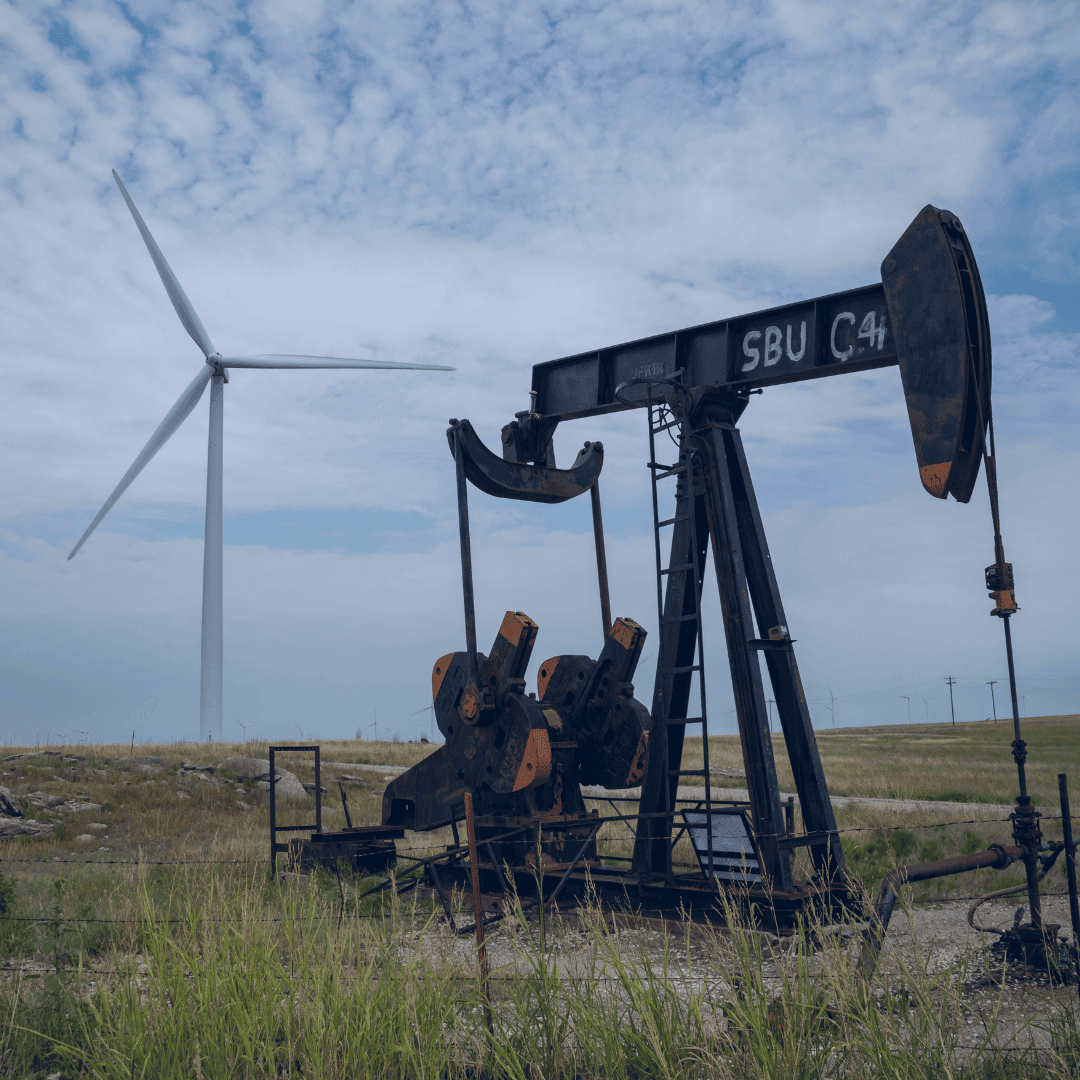
Well Testing And Production Logging
1 Weeks
Professional Level
Certificate Included
| City | Date | Price | Status |
|---|---|---|---|
LisbonPortugal | September 21, 2026 | €4,800 | Confirmed date |
IstanbulTurkey | September 22, 2026 | €4,400 | Confirmed date |
LondonUnited Kingdom | October 6, 2026 | £4,800 | Confirmed date |
AmsterdamNetherlands | October 12, 2026 | €4,900 | Confirmed date |
TunisTunis | October 17, 2026 | €4,400 | Confirmed date |
Kuala LumpurMalaysia | October 19, 2026 | €4,800 | Confirmed date |
OnlineOnline | November 2, 2026 | €2,400 | Confirmed date |
Duration
1 Weeks
Category
Oil & Gas
Level
Professional Level
Certificate
Included
Well testing and production logging represent critical disciplines in the lifecycle of hydrocarbon asset management, providing decision-makers with accurate reservoir performance data, production behavior insights, and operational diagnostics necessary for optimizing field profitability and minimizing uncertainty. In modern energy organizations, where capital efficiency, risk management, and production optimization directly influence corporate performance, the ability to interpret pressure data, flow characteristics, and downhole measurements has become a strategic competency rather than a purely technical task. This course delivers a structured and results-oriented framework that enables professionals to integrate testing methodologies with production logging technologies to support informed decision-making, improve well performance, and reduce operational risks. Participants will explore practical applications across exploration, development, and production phases, addressing common challenges such as data uncertainty, well integrity issues, multiphase flow behavior, and production allocation accuracy while identifying opportunities to enhance reservoir understanding and production optimization strategies. By aligning technical analysis with measurable performance outcomes, the program ensures that learners develop the capability to translate diagnostic data into actionable operational decisions that support organizational objectives, improve resource utilization, and strengthen long-term asset value creation.
• Analyze well testing data to evaluate reservoir performance and productivity potential
• Interpret pressure transient behavior for reservoir characterization and diagnostics
• Apply production logging tools to identify flow profiles and production allocation
• Evaluate well performance issues using integrated testing and logging approaches
• Design effective well testing programs aligned with operational objectives
• Assess multiphase flow behavior and its impact on production performance
• Optimize production strategies using data-driven decision-making techniques
• Improve operational efficiency through accurate diagnostics and monitoring
• Develop practical interpretation workflows for real-field applications
This course is designed for petroleum engineers, reservoir engineers, production engineers, well intervention specialists, field supervisors, asset managers, technical decision-makers, and professionals involved in well performance evaluation, reservoir management, and production optimization.
• Improved production optimization and reservoir management decisions
• Reduced operational risks through accurate diagnostics and monitoring
• Enhanced asset value through better well performance understanding
• Increased efficiency in field development and production planning
• Strengthened technical competency across engineering teams
• Better decision-making supported by reliable data interpretation
• Enhanced technical expertise in well testing and production logging
• Improved analytical and interpretation skills for real-world applications
• Greater confidence in diagnosing well performance challenges
• Increased professional value and career advancement opportunities
• Practical knowledge applicable to field operations and projects
• Ability to support strategic production optimization initiatives
• Introduction to well testing objectives and applications
• Reservoir fundamentals and fluid flow principles
• Pressure measurement concepts and data acquisition
• Types of well tests and operational considerations
• Basic interpretation techniques and diagnostic plots
• Common operational challenges and troubleshooting
• Principles of pressure transient analysis
• Drawdown and buildup test interpretation methods
• Reservoir boundary identification and characterization
• Skin factor evaluation and well performance indicators
• Advanced interpretation workflows and software concepts
• Case studies and practical exercises
• Overview of production logging tools and measurements
• Flow profiling and phase distribution analysis
• Temperature, spinner, and holdup measurements
• Tool selection and operational planning
• Data quality control and interpretation challenges
• Field applications and integration with production data
• Combining well testing and production logging data
• Identifying production problems and well integrity issues
• Multiphase flow behavior and interpretation approaches
• Production allocation and zonal contribution analysis
• Performance monitoring and optimization strategies
• Practical case studies and decision workflows
• Designing testing programs for production optimization
• Surveillance strategies and performance monitoring systems
• Data-driven decision-making approaches
• Risk assessment and uncertainty management
• Integrated field case studies and lessons learned
• Action planning for organizational implementation
Duration: 1 Weeks
Duration: 5 days
Format: Classroom / Online / Blended
“The training will be delivered by a team of experts specialized in negotiation and professional relationships. They have extensive practical experience in managing complex negotiations, as well as a strong record in delivering leadership and management development programs.”
Mastering well testing and production logging provides organizations with a powerful capability to reduce uncertainty, enhance production efficiency, and maximize asset value through informed technical decision-making. This program equips professionals with the analytical tools, interpretation skills, and strategic perspective required to transform diagnostic data into actionable operational improvements, ensuring sustainable performance enhancement and long-term competitive advantage.
Well Testing And Production Logging
Register for Course